1. Understand the Basics of Soundproofing Curtains
Soundproofing curtains, also known as acoustic curtains, are specially designed to reduce noise transmission through windows and doors. Unlike regular drapes, these curtains are made from dense, heavy fabrics that absorb sound waves and block external noise. The effectiveness of soundproofing curtains is measured by their Sound Transmission Class (STC) or Noise Reduction Coefficient (NRC). A higher STC or NRC rating indicates better sound absorption.
When choosing curtain fabric for soundproofing, it's important to understand that no curtain can completely eliminate noise, but a well-chosen fabric can significantly dampen sounds like traffic, construction, or noisy neighbors. The key is to select materials that are thick, dense, and have a tight weave to trap sound waves. Additionally, proper installation—such as floor-to-ceiling length and overlapping panels—maximizes the soundproofing effect.

2. Look for High Fabric Weight and Density
Weight is one of the most critical factors in soundproofing curtain fabric. Heavier fabrics naturally block more sound because they have more mass to absorb vibrations. Look for fabrics with a weight of at least 300 GSM (grams per square meter) or higher. For superior soundproofing, aim for 500 GSM or more. Velvet, velour, and heavy brocades are excellent choices due to their dense pile.
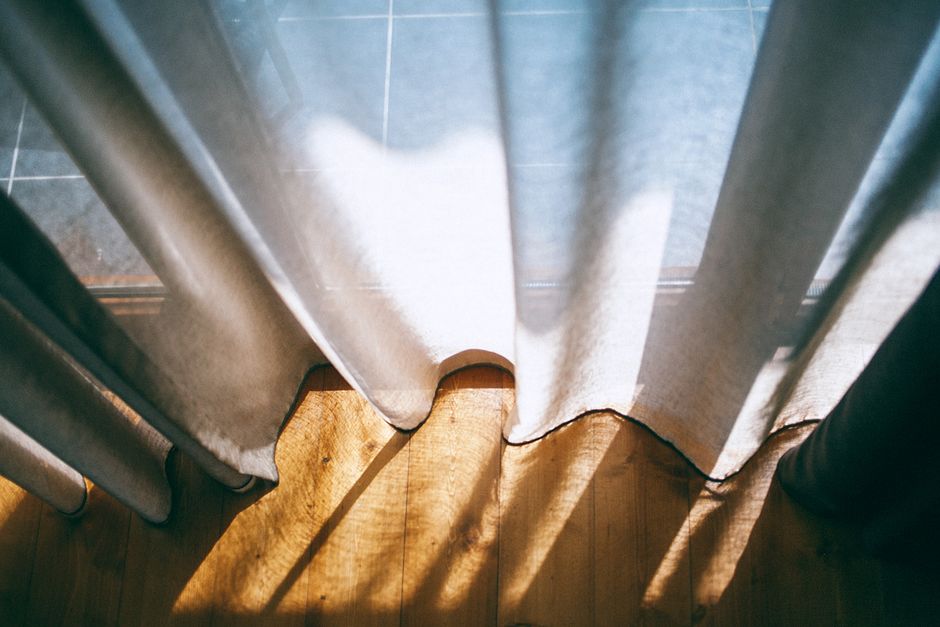
Density also matters: a tightly woven fabric prevents sound waves from passing through. Check the fabric's weave—tighter weaves (like twill or satin) perform better than loose weaves (like linen or gauze). You can test density by holding the fabric up to the light; if very little light shines through, it likely has good acoustic properties. Remember that heavier fabrics may require stronger curtain rods and brackets.
3. Choose Multi-Layer or Composite Fabrics
Single-layer curtains rarely provide adequate soundproofing. Multi-layer constructions—such as a face fabric plus a separate acoustic lining—offer superior noise reduction. Many soundproofing curtains use a composite approach: a decorative outer layer (like velvet) combined with a dense inner layer (like felt or mass-loaded vinyl). This layered system absorbs sound at different frequencies.
When shopping, look for curtains labeled as “acoustic” or “soundproof” that specify multiple layers. Alternatively, you can purchase separate liners to add behind your existing curtains. Acoustic liners made from materials like EVA foam or thick felt can dramatically improve sound absorption. Ensure the lining is flame-retardant and easy to clean, especially for commercial use.
4. Consider the Curtain’s Thickness and Weave
Thickness directly correlates with sound absorption. Thicker fabrics—like heavy velvet (often 1-2 mm thick) or triple-weave polyester—create a physical barrier that disrupts sound waves. However, thickness alone isn’t enough; the weave pattern also matters. A dense, tight weave (e.g., twill or satin) blocks more sound than a loose weave (e.g., plain weave or open weaves).
For maximum performance, choose curtains with a “deadening” quality—meaning they don’t vibrate easily. Fabrics like suede, chenille, and faux suede have a soft, dense surface that absorbs sound rather than reflecting it. Avoid shiny or crisp fabrics like silk or taffeta, which can reflect and amplify noise. A simple test: crumple the fabric—if it makes a loud rustling sound, it’s likely not good for soundproofing.
5. Opt for Acoustic-Grade Velvet or Velour
Velvet and velour are among the best fabrics for soundproofing due to their dense pile and thick construction. Velvet’s short, closely packed fibers trap sound waves, while the heavy backing adds mass. For acoustic purposes, choose a high-pile velvet (e.g., 100% cotton or polyester velvet) with a weight of 400-600 GSM. Some manufacturers offer “acoustic velvet” specifically designed for sound absorption.
Velour is similar but with a slightly longer pile, offering a plush feel and excellent sound dampening. Both fabrics come in a variety of colors and textures, making them versatile for home theaters, recording studios, or bedrooms. Keep in mind that velvet and velour can be expensive and require professional cleaning, but their acoustic benefits outweigh the maintenance costs for serious soundproofing.
6. Check for Noise Reduction Coefficient (NRC) Ratings
The Noise Reduction Coefficient (NRC) is a standard measurement that indicates how much sound a material absorbs. NRC ratings range from 0 (perfectly reflective) to 1 (perfectly absorptive). For soundproofing curtains, look for an NRC of 0.5 or higher. Many acoustic curtains have an NRC between 0.6 and 0.8, meaning they absorb 60-80% of sound.
Manufacturers often provide NRC test data for their fabrics. If not available, rely on independent reviews or lab certifications. Keep in mind that NRC measures sound absorption within a room, not transmission loss (STC). For blocking noise from outside, STC is more relevant. Ideally, choose curtains with both high NRC and high STC. For example, a fabric with STC 25-30 is good for reducing conversational noise, while STC 40+ is needed for loud traffic.
7. Select the Right Lining and Interlining
Lining is crucial for soundproofing. A separate acoustic lining can be added to any curtain fabric to enhance its performance. Popular lining materials include mass-loaded vinyl (MLV), which is a thin but heavy sheet that blocks sound, and acoustic fleece or felt, which absorbs sound. Some curtains come with integrated linings, such as blackout liners that also offer sound dampening.
Interlining is an extra layer between the face fabric and lining, often made from cotton flannel or polyester batting. It adds mass and traps air pockets, which improves sound absorption. For best results, use a three-layer system: decorative face fabric + interlining + dense lining. Ensure the layers are quilted or bonded to prevent shifting. Also, consider thermal insulation as a bonus—many soundproofing curtains also reduce heat loss.
8. Ensure Proper Length and Width for Full Coverage
Soundproofing curtains must cover the entire window and extend beyond the frame to prevent sound from leaking around the edges. Measure the window width and add at least 50% to ensure ample gathering and side coverage. For example, if the window is 48 inches wide, choose curtains that are 72-96 inches wide (fullness ratio of 1.5-2 times). The length should extend from the ceiling to the floor, with a few inches pooling on the floor if possible.
Use a curtain rod that extends 6-12 inches beyond the window on each side, so the curtains can be drawn completely across the wall. For soundproofing, avoid gaps—install the rod as close to the ceiling as possible and use curtain track systems that seal the top and bottom. Some acoustic curtains come with weights in the hem to keep them flat against the wall, reducing sound bypass.
9. Don’t Forget the Curtain Rod and Installation
Heavy soundproofing curtains require sturdy hardware. Choose a metal curtain rod (steel or aluminum) with a diameter of at least 1.5 inches to support the weight. Use heavy-duty brackets anchored into wall studs or concrete. For extra support, consider a track system that runs along the ceiling, which also helps seal the top edge.
Installation matters: mount the rod as close to the ceiling as possible to prevent sound from traveling over the top. Use a valance or cornice board to cover the rod and block the top gap. Similarly, allow the curtains to touch the floor or use weighted hem tape to minimize the gap at the bottom. For maximum soundproofing, seal the edges with magnetic strips or Velcro to attach the curtains to the wall or window frame.
10. Balance Aesthetics and Functionality
While soundproofing is the primary goal, your curtains should also complement the room’s decor. Fortunately, many acoustic fabrics come in stylish colors and textures. Velvet and velour add luxury to living rooms or home theaters, while heavy cotton blends suit a more casual look. Consider blackout linings that also enhance the fabric’s drape.
If you need to match an existing interior, look for custom options—many manufacturers can apply acoustic layers to almost any fabric. Remember that lighter colors may show dirt more easily, while dark colors absorb more light (which also helps with blackout). For commercial applications like offices or conference rooms, choose neutral tones or corporate colors with acoustic backing. Ultimately, the best curtain fabric for soundproofing is one that meets your noise reduction needs while fitting your style and budget.
By following these ten tips, you can select the ideal curtain fabric to significantly reduce noise, whether for a peaceful bedroom or a professional recording studio.