When it comes to taming unwanted noise, two popular solutions stand out: acoustic curtains and noise reducing blinds. Both promise a quieter space, but they work differently and suit different needs. This article breaks down the key differences across seven critical factors to help you decide which wins for your home or office.

1. Sound Absorption Efficiency
Acoustic curtains are specifically engineered to dampen sound. Made from dense, multilayered fabrics—often with a felt core or mass-loaded vinyl—they absorb sound waves across a wide frequency range. Testing shows that high-quality acoustic curtains can reduce noise by up to 50% (roughly 10-15 dB reduction).
Noise reducing blinds, on the other hand, are typically rigid panels (like honeycomb or cellular blinds) that trap air between layers. While they block some sound transmission, they primarily reflect noise rather than absorb it. Their noise reduction is modest (5-10 dB at best) and works best for mid-to-high frequencies. For deep, rumbling traffic noise, curtains are far more effective.
2. Aesthetic Versatility
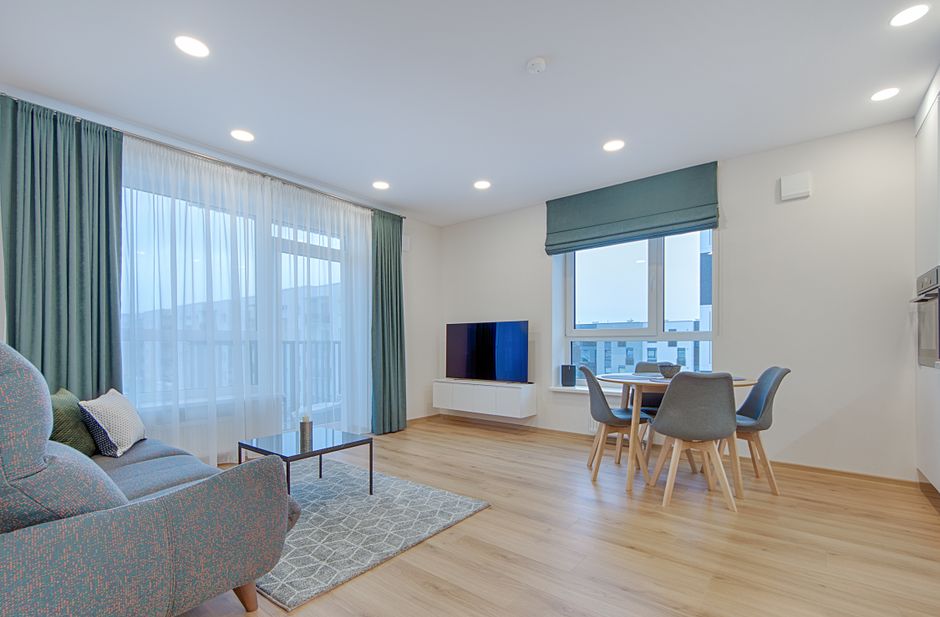
Acoustic curtains come in a vast array of colors, patterns, and textures—from velvet to linen to sheer. They can be tailored to match any interior design style, adding softness and elegance to a room. However, they require floor-to-ceiling installations for maximum effect, which may not suit all spaces.
Noise reducing blinds are sleeker and more minimalist. Available in horizontal, vertical, or roller styles, they fit neatly inside window frames. They offer clean lines and are ideal for contemporary or office settings. But their color and fabric options are more limited. If décor is a priority, curtains offer more flexibility.

3. Installation and Maintenance
Acoustic curtains require sturdy curtain rods or tracks, and proper installation is critical: they must overlap the window by several inches on each side and touch the floor to prevent sound bypass. Maintenance is moderate—most are machine washable or dry-cleanable, but heavy fabrics may require professional cleaning.
Blinds are simpler to install—often a DIY job with brackets. They take up less space and are easier to dust or wipe down. Cellular blinds can be vacuumed. However, blinds with many slats or pleats can trap dust and require occasional deep cleaning. Overall, blinds are lower maintenance.
4. Cost and Value
Acoustic curtains vary widely in price. Basic blackout curtains with sound-dampening properties start around $50-$100 per panel, while premium acoustic curtains can exceed $300. Installation doubles the cost if you need a professional. Given their superior noise reduction, they offer high value for serious noise issues.
Noise reducing blinds are generally cheaper—honeycomb blinds range from $30 to $150 per window, and installation is often DIY. They provide decent noise reduction at a lower entry price. However, for extreme noise, you may need to layer blinds with curtains, increasing total cost. In terms of pure cost-per-decibel reduction, curtains usually win.
5. Light Control and Privacy
Acoustic curtains are typically thick and opaque, providing excellent blackout properties when fully drawn. They block nearly all light, making them ideal for bedrooms or media rooms. Privacy is guaranteed as you cannot see through them. However, they don't offer the option of filtering light without sacrificing noise reduction.
Noise reducing blinds offer versatile light control: you can tilt slats or adjust cellular shades to let in soft light while maintaining privacy. Some blinds are designed to be sheer during the day and opaque at night. For rooms where you want natural light without complete blackout, blinds are more flexible.
6. Space and Room Fit
Acoustic curtains require significant wall space for stacking. In small rooms or windows with radiators or furniture below, they may feel cumbersome. They also add visual bulk. Floor-to-ceiling installation can make a room feel taller, but in cramped spaces, the hardware can be obstructive.
Blinds are space-efficient. They fit inside the window recess, leaving the wall free for shelves or artwork. Roller blinds can be mounted above the window to create a clean look. For small rooms or rental spaces where drilling into walls is limited, blinds are a better fit.
7. Additional Benefits (Thermal and Acoustic)
Acoustic curtains are excellent insulators—their dense layers reduce heat loss in winter and keep rooms cool in summer. This thermal mass also helps dampen sound. Many are also fire-retardant and offer UV protection. They are a multi-purpose investment for energy efficiency and noise control.
Noise reducing blinds, particularly cellular/honeycomb designs, also provide good thermal insulation due to trapped air pockets. They can lower energy bills. However, their acoustic benefits are secondary. Some blinds are coated with noise-absorbing materials, but they rarely match the all-around performance of curtains.
Conclusion: So, which wins? It depends on your priority. For maximum noise reduction, acoustic curtains are the clear winner. For aesthetics, light control, and budget, noise reducing blinds are a worthy choice. Many experts recommend a layered approach: use blinds for daylight and privacy, then add curtains for evening noise dampening and thermal comfort. That way, you get the best of both worlds.