Hotel curtains endure constant use, exposure to dust, smoke, and occasional spills. Maintaining their appearance and functionality requires a structured cleaning routine. This guide covers best practices for cleaning blackout, sheer, velvet, and acoustic curtains used in hospitality settings.
Understanding Your Hotel Curtain Fabrics
Different curtain materials demand different care. Identifying the fabric type is the first step to effective cleaning.
Blackout Curtains
Typically made from multiple layers including a dense backing (often acrylic or polyester) to block light. They are durable but the coating can crack if washed improperly. Avoid harsh detergents and high heat.
Sheer Curtains
Lightweight, often polyester or voile. They collect dust easily but can be machine-washed on delicate cycles. Harsh agitation may cause fraying.
Velvet Curtains
Luxurious and heavy, usually cotton, rayon, or polyester blends. Velvet is prone to water stains and crushing. Dry cleaning is often recommended. Avoid wringing or machine washing unless the label explicitly permits it.
Acoustic Curtains
Designed to absorb sound, often made from dense felt, foam-backed fabric, or multiple layers of polyester. Vacuuming with a soft brush is safe. Spot cleaning with mild soap and water works for small stains. Professional cleaning is safest for deep cleaning.
General Guidelines for Cleaning Hotel Curtains
- Always check the manufacturer's care label before any cleaning method.
- Remove dust regularly using a vacuum with a brush attachment (from top to bottom).
- Use a lint roller for quick picking of dust and pet hair on lower sections.
- Blot spills immediately with a clean, dry cloth—never rub.
- Test any cleaning solution on an inconspicuous area first.
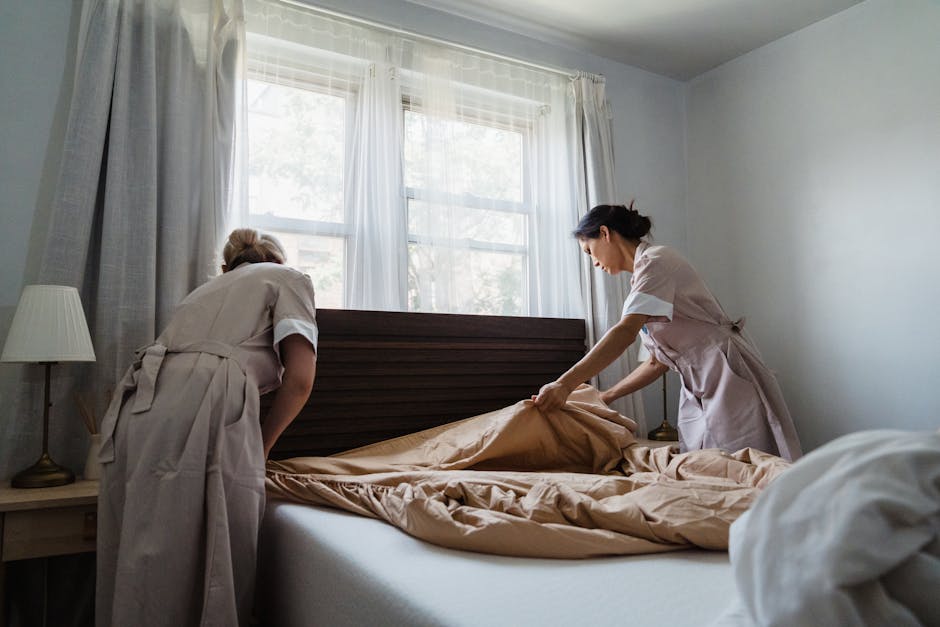
Step-by-Step Cleaning Methods for Different Fabrics
Blackout Curtains
- Vacuum both sides with a soft brush attachment to remove loose dirt.
- Spot clean stains using a mild detergent solution (1 tsp dish soap per 2 cups cool water) and a microfiber cloth. Blot, don't scrub.
- For machine washing (if label allows): use cold water, gentle cycle, and line dry—never put in a dryer as heat can damage the coating.
- Avoid bleach and fabric softener.
Sheer Curtains
- Shake outdoors to remove loose dust.
- Hand wash or machine wash on delicate cycle in cold water with mild detergent.
- Do not wring—gently squeeze water out.
- Hang to dry; sheers dry quickly and ironing is rarely needed.
Velvet Curtains
- Vacuum weekly with upholstery attachment to prevent dust settling in the pile.
- Steam cleaning (using a garment steamer) can refresh velvet without water contact. Hold steamer 6 inches away and move in one direction to avoid crush marks.
- Dry clean is the safest method for deep cleaning. If the label permits home washing, use cold water and a gentle hand wash, then hang to dry. Never use a dryer.
- Brush gently with a soft brush after drying to restore pile direction.
Acoustic Curtains
- Vacuum regularly using a soft brush or low-suction setting to avoid distorting the fabric.
- Spot clean with a damp cloth and a tiny amount of mild detergent. Rinse by blotting with a water-damp cloth. Avoid soaking because the acoustic foam layers can absorb water and cause mould.
- Fabric freshener sprays (linen water) can neutralise odours. Test first.
- Professional dry cleaning is recommended once or twice a year, depending on usage.
Professional Cleaning vs. DIY: When to Call Experts
While regular maintenance can be done in-house, certain situations require professional intervention:
| Situation | Recommended Action |
|---|---|
| Heavy soiling or smoke damage | Call a commercial curtain cleaning service. |
| Velvet or silk curtains | Always dry clean to avoid water stains. |
| Acoustic curtains with visible mould | Professional cleaning with antimicrobial treatment. |
| Blackout coating peeling | Replace or have the coating reapplied by a specialist. |
Hotels often have large volumes of curtains; professional cleaners can handle bulk orders efficiently and ensure consistent results.
Preventive Maintenance Tips for Hotel Curtains
- Install ceiling fans or air purifiers to reduce airborne dust.
- Close curtains at night to minimise exposure to street dust and smog.
- Rotate curtains between rooms to equalise wear.
- Use curtain liners to protect expensive fabrics from sun damage.
- Train housekeeping staff on basic stain-removal techniques (blotting, not rubbing).
- Schedule a professional cleaning every 6–12 months based on occupancy rates.
Common Mistakes to Avoid
- Using hot water on blackout or acoustic curtains – warps coatings and foam.
- Machine drying velvet – causes shrinking and pile damage.
- Ignoring care labels – leads to irreversible damage.
- Scrubbing stains – forces dirt deeper into fibres.
- Using bleach on any curtain – even white sheers can yellow.
- Overloading washing machines – causes wrinkles and poor rinsing.
Frequently Asked Questions
Can I wash hotel curtains in a residential washing machine?
It depends on size. Small drapes (up to 2m long) may fit, but large hotel curtains often require industrial machines. Always check fabric type.
How often should hotel curtains be cleaned?
Light cleaning (vacuuming) weekly; deep cleaning every 6–12 months or when visible stains appear.
What is the best way to remove smoke smell from curtains?
Professional ozone treatment is most effective. Alternatively, upholstery steam cleaning with a mild deodoriser can help.
Can I use a steam mop on acoustic curtains?
No—the heat and moisture can damage the sound-absorbing layers. Stick to vacuuming and professional cleaning.
By following these guidelines, your hotel curtains will stay clean, fresh, and functional for years, enhancing guest comfort and room aesthetics.