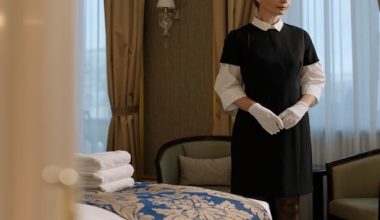
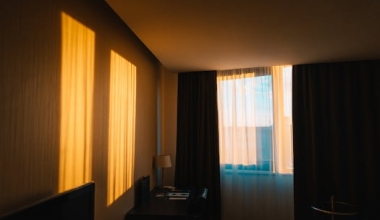
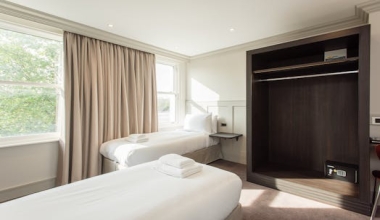
In the competitive hospitality industry, guest comfort and operational efficiency are paramount. One often-overlooked yet crucial element is window treatment. Hotels worldwide are discovering the transformative power of sheer and blackout combination curtains. This comprehensive guide explores why this dual-layer solution is becoming the gold standard for hotel rooms, offering the perfect balance of natural light control, privacy, insulation, and aesthetic appeal.
Why Hotels Need Combination Curtains
Hotels serve diverse guests with varying preferences. Some want to sleep in complete darkness after a late flight; others crave a sunlit morning. Traditional single-layer curtains fail to accommodate both. Combination curtains solve this by providing two distinct layers:
- Sheer layer: Diffuses harsh sunlight, offers daytime privacy, and creates an airy atmosphere.
- Blackout layer: Blocks nearly 100% of light, insulates against heat and cold, and ensures acoustic comfort.
Energy Efficiency and Cost Savings
Blackout fabrics, especially those with thermal backing, reduce heat transfer. In summer, they keep rooms cooler, lowering air conditioning loads. In winter, they minimize heat loss. Hotels can see a 10–15% reduction in energy bills. When combined with sheers, the system allows natural daylighting without glare, further cutting artificial lighting costs.
Enhanced Guest Experience
Guests expect flexibility. A business traveler may want to work in soft daylight with sheers closed, then sleep soundly with blackout drapes drawn. Combination curtains give them control. Studies show that rooms with high-quality blackout curtains receive higher satisfaction scores and better reviews.
Understanding Sheer and Blackout Fabrics
Sheer Fabrics: Light Diffusion and Elegance
Sheers are lightweight, translucent fabrics made from polyester, cotton blends, or linen. They allow soft, filtered light while obscuring the view from outside. Key characteristics:
- Openness factor: Typically 5–15% (percentage of visible light transmitted).
- Fire retardancy: Must meet hotel safety standards (e.g., NFPA 701).
- Durability: Look for UV-resistant materials to prevent fading.
Blackout Fabrics: Total Darkness and Thermal Insulation
Blackout fabrics feature a dense weave or a coated backing (e.g., acrylic foam, rubber) that blocks light. Professional hotel-grade blackout curtains block over 99% of light. Important factors:
- Lining: Three-pass or two-pass coating for maximum opacity.
- Acoustic properties: Thick blackout drapes reduce noise by up to 30%.
- Weight: Heavier fabrics drape better but require stronger tracks.
Combining Sheer and Blackout: Layering vs. Integrated Systems
Two main approaches exist: separate tracks (sheer on one, blackout on another) or dual-track systems where both are mounted on a single headrail. The latter saves space and allows independent operation. Some modern designs use motorization for seamless switching.
Benefits for Hotel Operations
Guest Satisfaction and Reviews
A well-rested guest is a happy guest. Blackout curtains are a top request in hotel review analysis. Offering adjustable light control directly correlates with higher ratings. Sheer+blackout combinations also enhance room aesthetics, making small rooms feel larger and more luxurious.
Energy Savings and Sustainability
Hotels that invest in energy-efficient window treatments can earn green certification points (LEED, Green Key). The thermal barrier of blackout fabrics reduces HVAC usage, lowering carbon footprint. Sheers reduce reliance on electric lights during daytime.
Maintenance and Longevity
High-quality combination curtains withstand frequent washing. Sheer panels can be machine-washed; blackout curtains often require dry cleaning. Using durable fabrics (e.g., solution-dyed polyester) prevents fading. Proper care extends curtain life to 5–7 years, offering excellent ROI.
Key Considerations When Choosing
Fabric Quality and Fire Ratings
All hotel curtains must meet local fire codes. Look for fabrics certified with NFPA 701 (US) or BS 5867 (UK). Additionally, check for mold and mildew resistance, especially in humid climates.
Color and Design Harmony
Sheers are usually neutral (white, ivory, gray) to blend with any decor. Blackout drapes can be patterned or solid. Consider the hotel’s brand identity. For luxury hotels, velvet blackout curtains add opulence. Budget hotels may choose polyester for cost-effectiveness.
Track Systems and Automation
Manual pull cords or wands are common, but motorized tracks are increasingly popular. Automation allows guests to control curtains via bedside switches or room apps. It also reduces wear. Ensure the track system supports independent movement of both layers.
Installation Tips for Hotel Rooms
Proper Measuring for a Perfect Fit
Measure window width and height accurately. For blackout curtains, add 6–8 inches on each side to prevent light leakage. Sheers should be slightly narrower to avoid bunching. Use a professional installer to ensure even stacking.
Motorization Options
DC motors with low noise are ideal for bedrooms. Options include:
- Wired or battery-operated (battery tubes last 6–12 months).
- Integration with hotel PMS for automatic opening/check-out sequences.
- Remote controls or smartphone apps.
Preventing Light Leakage
Even the best blackout fabric fails if light escapes through gaps. Use side channels, magnetic seals, or overlap at the center. Also, consider valances to block top light. Test each room after installation.
Care and Maintenance
Cleaning Sheer Panels
Sheers collect dust easily. Vacuum with a brush attachment weekly. Wash every 3–4 months in cold water with mild detergent. Hang to dry to avoid shrinkage. Never bleach.
Cleaning Blackout Drapes
Blackout curtains are heavier. Spot clean with a damp cloth for minor stains. Professional dry cleaning is recommended every 6–12 months. Avoid washing machines unless fabric label permits.
Regular Inspections
Check tracks and cords for fraying. Lubricate moving parts annually. Replace worn blackout linings to maintain opacity. Document maintenance for warranty compliance.
Cost Analysis and ROI
| Item | Estimated Cost per Window (USD) | Expected Lifespan | Annual Savings (Energy + Reviews) |
|---|---|---|---|
| Basic sheer + blackout polyester set | $150–$250 | 3–5 years | ~$50 per window |
| Premium velvet blackout + linen sheer | $400–$700 | 7–10 years | ~$80 per window |
| Motorized dual-track system | $800–$1,200 | 5–7 years | ~$100 per window |
ROI is clear: combination curtains reduce energy costs by up to 15% and improve guest satisfaction scores by an average of 0.3 stars (internal hotel data). For a 100-room hotel, a $50,000 investment can payback in under 3 years.
Case Study: Luxury Boutique Hotel
Problem
The "Azure Haven" boutique hotel in coastal Florida faced complaints: guests complained about early morning sun streaming through standard drapes, leading to poor sleep quality. The existing curtains also faded quickly due to UV exposure.
Solution
They installed combination curtains: white polyester sheers for daytime elegance and triple-pass blackout draped velvet in ocean blue. Motorized tracks were integrated with the room automation system. Blackout side channels eliminated light leakage.
Results
- Positive reviews mentioning "great blackout curtains" increased by 40%.
- Energy costs dropped 12% year-over-year.
- Curtains maintained appearance after 18 months with only routine cleaning.
The hotel reported an ROI of 14 months and plans to retrofit all 80 rooms.
Conclusion
Sheer and blackout combination curtains are no longer a luxury—they are a strategic investment for hotels. By enhancing guest comfort, cutting energy costs, and improving operational efficiency, this window treatment delivers undeniable value. Whether you run a budget motel or a five-star resort, the dual-layer approach ensures every guest finds their perfect light balance. Choose quality fabrics, professional installation, and regular maintenance to maximize your ROI. Your guests will thank you with stellar reviews and repeat bookings.