Acoustic Curtains vs Blackout Curtains: A Comprehensive Comparison
When it comes to window treatments, two popular specialized options are acoustic curtains and blackout curtains. While they may look similar, each serves a distinct purpose: acoustic curtains are designed to reduce noise transmission, while blackout curtains block light. This article will dive into the key differences, helping you choose the right fabric for your needs.
What Are Acoustic Curtains?
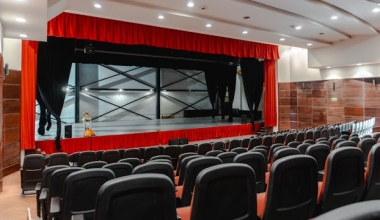
Acoustic curtains, also known as soundproof curtains, are made from dense, multilayered fabrics that absorb sound waves. They are typically constructed with a heavy core material like mass-loaded vinyl (MLV) or thick polyester felt, combined with multiple layers of fabric to increase sound absorption. These curtains are ideal for home theaters, recording studios, open-plan offices, and apartments where noise reduction is a priority.
What Are Blackout Curtains?
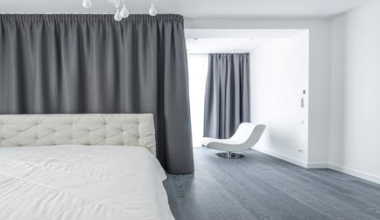
Blackout curtains are designed to block virtually all incoming light. They use a tightly woven fabric, often with a special coating (e.g., acrylic foam) or an inner layer that prevents light from penetrating. Blackout curtains are popular in bedrooms, nurseries, hotels, and any space where darkness is needed for sleep or light-sensitive activities.
Key Differences: Acoustic vs Blackout Curtains
| Feature | Acoustic Curtains | Blackout Curtains |
|---|---|---|
| Primary Function | Reduce noise (sound absorption & soundproofing) | Block light (achieve complete darkness) |
| Fabric Weight | Very heavy (often >400 GSM) | Medium to heavy (200–300 GSM typical) |
| Layering | Multiple dense layers, sometimes with mass-loaded vinyl | Single layer with opaque coating or triple-weave |
| Light Blocking | Moderate (may block 50-70% of light, but not guaranteed) | Excellent (blocks 95-100% of light) |
| Sound Reduction (STC) | Up to 10-20 dB reduction (STC 15-25 range) | Minimal (1-5 dB reduction, incidental) |
| Thermal Insulation | Good (due to thickness) | Good to excellent (often includes thermal lining) |
| Cost per sq. ft. | Higher ($5–$15) | Moderate ($3–$10) |
| Installation | Requires strong rods, often floor-to-ceiling | Standard curtain rod, must be close to window |
| Common Applications | Recording studios, home theaters, offices, noisy apartments | Bedrooms, nurseries, hotels, blackout rooms |
How They Work: Principles of Function
Acoustic Curtains: Sound Absorption & Mass
Sound travels through air and solid structures. Acoustic curtains work by increasing the mass of the barrier (mass law) and by absorbing sound energy through porous materials. The multilayer construction traps sound waves within the fabric, converting acoustic energy into tiny amounts of heat. They are most effective at mid to high frequencies; low bass frequencies are harder to block. For best results, curtains should be pleated, floor-to-ceiling, and overlap the window edges.
Blackout Curtains: Light Occlusion & Reflectivity
Blackout curtains use dense weaving or a coated backing to stop light. The coating (often black or white acrylic foam) creates a solid barrier that photons cannot penetrate. These curtains also reflect radiant heat, making them popular for energy savings. Some blackout fabrics have a triple-weave construction that blocks light without a coating, offering a more natural look.
Can One Curtain Do Both? Hybrid Options
Yes, there are hybrid acoustic blackout curtains that combine both properties. These are typically very heavy, multi-layer curtains with both a dense sound-dampening core and an opaque outer layer. They are excellent for media rooms or bedrooms in noisy environments. However, they are expensive and require heavy-duty hardware. For most users, dedicated curtains are more cost-effective.
Application Scenarios: When to Choose Which
- Home Theater / Media Room: Choose acoustic curtains for sound quality, but also ensure they have some light-blocking ability (or install separate blackout lining).
- Bedroom for Light Sensitivity: Blackout curtains are the best choice. If you live on a noisy street, consider adding a secondary blackout layer to acoustic curtains.
- Open-Plan Office: Acoustic curtains can reduce echo and noise distractions, improving productivity. Light control is usually secondary.
- Nursery: Blackout curtains are essential for daytime naps. If noise is an issue (e.g., street traffic), use blackout curtains with a thicker fabric that also absorbs some sound.
- Recording Studio: Acoustic curtains are a must (along with bass traps and panels). Blackout may be needed for video recording, but not for audio.
Material & Care Considerations
Acoustic Curtains: Usually made from polyester, velour, or felt blends with a backing. Many are dry-clean only. Some have a heavy interlayer that may be separate. Avoid machine washing unless specified. Vacuum with brush attachment to remove dust.
Blackout Curtains: Common materials include polyester, suede, or microfiber with foam coating. Many are machine washable on gentle cycle. The coating can degrade over time with washing; turn inside out and use mild detergent. Some blackout fabrics are triple-weave and more durable.
Pros and Cons Summary
Acoustic Curtains Pros:
- Significant noise reduction
- Improve room acoustics (reduce echo)
- Added thermal insulation
Acoustic Curtains Cons:
- Expensive and heavy
- Little to no light blocking
- Requires strong installation
Blackout Curtains Pros:
- Complete darkness for sleep
- Energy savings (insulation)
- Wider availability and lower cost
Blackout Curtains Cons:
- Minimal sound reduction
- Coating may peel over time
- Can look less elegant if poorly made
Our Recommendation
Choosing between acoustic and blackout curtains depends on your primary need. If you suffer from street noise or need a quieter room for work or entertainment, invest in acoustic curtains. If your main concern is light sensitivity for sleep, go with blackout curtains. For the best of both worlds, look for combination acoustic blackout curtains, but be prepared for higher cost and weight. Always check the product specifications for Sound Transmission Class (STC) rating if noise is critical, and check for 100% light blocking certifications if total darkness is required.
Final Verdict
In most home situations, blackout curtains are more commonly needed. However, for specialized spaces like home theaters, offices near busy roads, or apartments with thin walls, acoustic curtains are a valuable upgrade. We recommend: Identify your primary need (noise or light), measure your windows, and choose the curtain that best matches that specific requirement.