1. Light Control and Glare Reduction
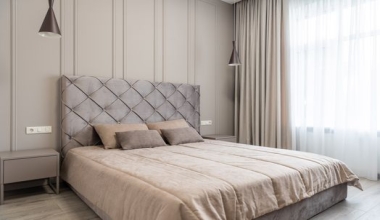
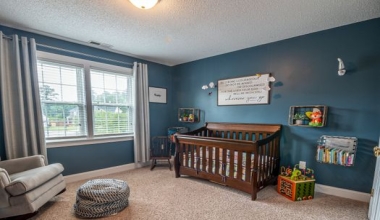
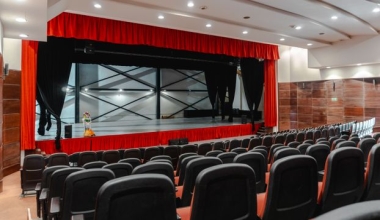
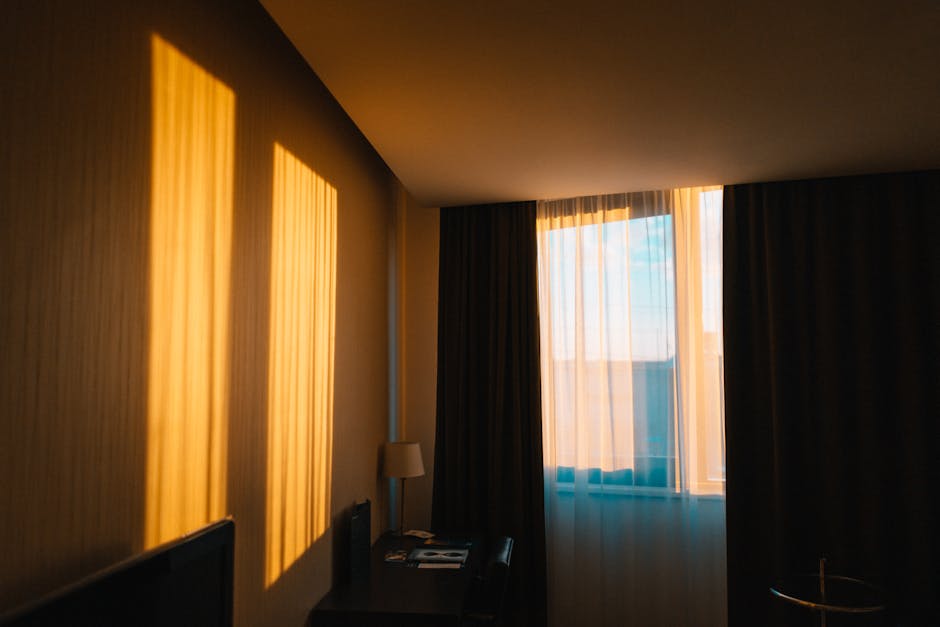
Blackout curtains are designed to block virtually all external light, making them ideal for bedrooms, home theaters, and spaces where complete darkness is desired. They achieve this through dense, tightly woven fabrics often combined with a light-blocking interlayer. Solar curtains, on the other hand, use semi-transparent mesh or screen fabrics that filter sunlight, reducing glare while maintaining a view. For energy savings, the choice depends on your needs: blackout curtains prevent solar heat gain entirely during peak hours, while solar curtains allow some natural light but reduce the intensity, lowering cooling loads without darkening the room completely.
In terms of glare, blackout curtains eliminate it entirely, which is beneficial for media rooms. Solar curtains soften harsh glare, making them suitable for offices and living spaces where you want to use natural light without discomfort. Both contribute to energy savings by reducing the need for artificial lighting and air conditioning, but blackout curtains are more effective at blocking heat from windows.
2. Thermal Insulation – Heat Gain and Loss
Blackout curtains typically have a high R-value (thermal resistance) due to their thick layers, which insulate against both heat loss in winter and heat gain in summer. The added interlayer also creates an air pocket that slows heat transfer. Studies show blackout curtains can reduce heat loss by up to 25% and heat gain by up to 30%. Solar curtains, while not as thick, often incorporate reflective coatings that bounce solar radiation away, reducing cooling loads. Their insulation property is lower, but their primary mechanism is solar reflection rather than thermal mass.
For climates with extreme temperatures, blackout curtains are superior for overall insulation. In milder climates or for windows that get direct sun, solar curtains can effectively cut cooling costs without the heavy feel of blackout fabric. Both types can improve a home’s energy efficiency, but blackout curtains have the edge for thermal performance.
3. Energy Efficiency Ratings – SHGC and U-Value
Energy performance of curtains is often measured by Solar Heat Gain Coefficient (SHGC) and U-value. Blackout curtains typically have low SHGC (0.2-0.4) because they block most solar radiation, and moderate U-value (0.5-0.7) depending on fabric weight. Solar curtains have even lower SHGC (0.1-0.3) due to reflective coatings, but higher U-value (0.8-1.0) because they are thinner. A lower SHGC means less heat enters the room, while a lower U-value means better insulation against heat loss.
| Property | Blackout Curtains | Solar Curtains |
|---|---|---|
| SHGC | 0.2-0.4 | 0.1-0.3 |
| U-Value | 0.5-0.7 | 0.8-1.0 |
| Primary Mechanism | Block+Insulate | Reflect+Filters |
For maximum energy savings in hot climates, solar curtains with very low SHGC are excellent. In cold climates, blackout curtains with lower U-value help keep heat inside. Understanding these ratings allows you to choose based on your regional climate and window orientation.
4. Cost and Installation
Blackout curtains tend to be more expensive than solar curtains because of the multi-layer construction and special coatings. Premium blackout fabrics with triple-weave can cost $50-$150 per panel, while solar curtains range from $30-$100. However, blackout curtains can be more durable and may last longer if well-maintained. Installation is similar for both: they use standard curtain rods or tracks. Some blackout curtains require additional linings for full opacity, increasing cost.
Solar curtains often come in ready-made sizes and are lighter, making them easier to install. For large commercial windows, solar curtains can be a cost-effective solution to reduce cooling loads without sacrificing natural light. Both types offer a return on investment through energy savings, but the payback period is shorter for solar curtains in sunny climates due to lower upfront cost.
5. Aesthetics and Room Ambiance
Blackout curtains provide a classic, opulent look with heavy drapery that adds warmth and richness to a room. They come in many colors and textures, but their weight can make small rooms feel crowded. Solar curtains have a modern, minimalist appearance, often in whites or light neutrals, that create an airy feel. They preserve outdoor views, making them popular in contemporary homes and offices.
For energy savings, the aesthetic choice can influence behavior: people tend to keep solar curtains closed during hot days because they still allow some light, while blackout curtains might be left open if people want brightness, reducing their effectiveness. Choosing a style that encourages consistent use is key to maximizing energy efficiency.
6. Maintenance and Durability
Blackout curtains are heavier and may require professional cleaning, as washing can damage the coating or cause shrinkage. Many are dry clean only. Solar curtains are easier to care for: most are machine washable on gentle cycle and quick to dry. Their open weave means less dust accumulation, but they may fade over time from constant sun exposure. Blackout curtains with UV-resistant interlayers can last 5-10 years, while solar curtains typically last 3-5 years.
In high-humidity areas, blackout curtains can trap moisture and develop mildew if not ventilated. Solar curtains, being more breathable, are less prone to this issue. Proper maintenance ensures long-term performance, but solar curtains have the edge in low-maintenance living.
7. Best Use Cases – Residential vs Commercial
For residential bedrooms and theaters, blackout curtains are unbeatable for total darkness and noise reduction. In living rooms or kitchens where natural light is valued, solar curtains offer a balance. For commercial buildings, especially those with large glass facades, solar curtains are often preferred because they reduce glare on screens, lower HVAC costs, and maintain an open office feel. Hospitals, schools, and hotels also use solar curtains to control light without making spaces feel closed-in.
Ultimately, the best choice for energy savings depends on your specific window orientation, climate, and usage patterns. For south-facing windows that receive intense sun, solar curtains can significantly cut cooling loads. For north-facing windows or cold climates, blackout curtains excel at retaining heat. Combining both types (e.g., blackout curtains for sleeping areas, solar screens for daytime rooms) can optimize energy efficiency throughout a building.