Introduction
When outfitting hotel rooms, curtains play a dual role: they enhance the aesthetic appeal and provide functional benefits like light control and privacy. Two popular fabric choices are acoustic curtains and velvet curtains. While velvet exudes luxury and richness, acoustic curtains promise superior sound insulation. But which one truly suits hotel rooms? This comprehensive guide compares acoustic and velvet curtains across key performance metrics, helping hoteliers make an informed decision.
Understanding Acoustic Curtains
What Are Acoustic Curtains?
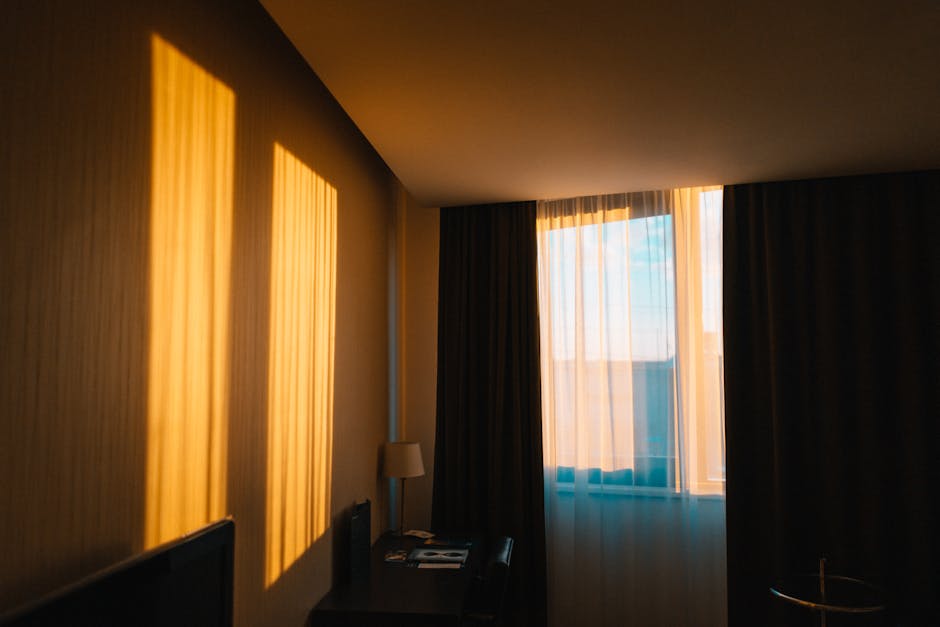
Acoustic curtains are specially designed fabrics that absorb sound waves, reducing noise transmission. They are typically made from dense, multilayered materials such as polyester, cotton, or proprietary blends with noise-reducing properties. The construction often includes a sound-absorbing core and a heavy weight to block airborne noise.
How Do They Work?
Sound waves are absorbed as they pass through the curtain's layers. The fabric's density and thickness convert acoustic energy into heat, thereby lowering the ambient noise level. Acoustic curtains can reduce noise by up to 50-70% depending on the product.
Key Features
- High STC (Sound Transmission Class) ratings
- Often have blackout properties
- Available in various colors but limited textures
- May require special cleaning methods
Understanding Velvet Curtains
What Are Velvet Curtains?
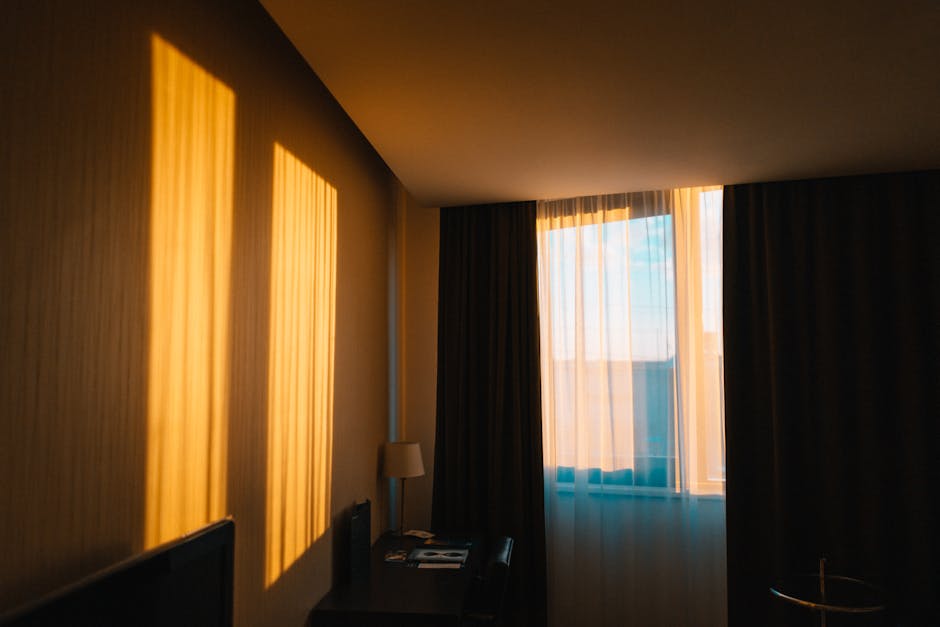
Velvet curtains are woven from natural (silk, cotton) or synthetic (polyester, rayon) fibers, characterized by a soft, plush pile that catches light beautifully. They offer a classic, opulent look associated with luxury hotels.
How Do They Perform Acoustically?
Velvet's thick pile inadvertently provides some sound absorption, but it is not engineered for noise reduction. Velvet curtains typically have a lower STC rating compared to dedicated acoustic curtains. However, their weight and dense weave can dampen moderate sound.
Key Features
- Rich texture and visual depth
- Excellent light-blocking (if lined)
- Varying quality from budget to high-end
- More susceptible to dust and crushing
Key Differences: Acoustic vs Velvet Curtains
| Feature | Acoustic Curtains | Velvet Curtains |
|---|---|---|
| Primary Purpose | Noise reduction | Aesthetic luxury |
| Sound Absorption (STC) | High (20-30+ range) | Low to moderate (5-15 typical) |
| Light Blocking | Usually blackout | Depends on lining; often good |
| Texture & Feel | Matte, plain, utilitarian | Soft, shiny, plush |
| Aesthetic Impact | Functional, modest | Elegant, luxurious |
| Weight | Heavy (dense layers) | Moderate to heavy |
| Cleaning & Care | Dry clean or gentle wash; avoid heat | Dry clean only; careful ironing |
| Cost per panel | $$$ (specialized materials) | $$ to $$$ (grade-dependent) |
| Durability | Good with proper care | Moderate; pile may flatten |
Benefits of Acoustic Curtains for Hotels
Superior Noise Control
In busy hotels, noise from hallways, traffic, and adjacent rooms can disturb guests. Acoustic curtains are the most effective solution for reducing external and internal noise, ensuring a restful sleep. This can lead to higher guest satisfaction and positive reviews.
Energy Efficiency
Their dense construction also provides thermal insulation, helping maintain room temperature and reducing HVAC costs. This is an added benefit for hotel operations.
Safety and Compliance
Many acoustic curtains are fire-retardant and meet building codes for commercial spaces. They also often feature blackout capabilities, which is essential for day sleepers or guests sensitive to light.
Benefits of Velvet Curtains for Hotels
Luxurious Aesthetic
Velvet instantly elevates a room's sophistication. Its rich drape and light-reflective quality create a cozy, high-end atmosphere that appeals to discerning guests. For boutique hotels or luxury chains, velvet is a signature design element.
Versatile Design Options
Velvet comes in a wide range of colors and pile heights. From deep emerald to soft blush, there's a shade for every theme. It pairs well with other fabrics like silk or linen, allowing for layered window treatments.
Moderate Sound and Light Control
While not as effective as acoustic curtains, lined velvet can reduce some noise and block light when properly mounted. For hotels in quieter areas or with double-glazed windows, velvet may suffice.
Practical Considerations: Cost, Maintenance, Installation
Initial Investment
Acoustic curtains tend to be more expensive due to specialized materials and manufacturing. Prices can range from $100 to $300 per panel depending on size and rating. Velvet curtains vary widely: budget synthetic velvet can be as low as $50 per panel, while high-end silk velvet may exceed $500.
Maintenance
Both require professional dry cleaning. Acoustic curtains can sometimes be spot-cleaned with mild detergent, but avoid machine washing as it may damage the sound absorbing layers. Velvet is prone to dust collection; regular vacuuming with a soft brush is essential. Crushing of the pile can occur from compression, so care during handling is needed.
Installation Tips
- For acoustic curtains, use a ceiling-mounted track to achieve maximum seal against walls and floor. Consider a valance to hide hardware.
- Velvet curtains look best with a decorative rod and rings that allow the fabric to hang freely. Ensure the rod can support the weight.
- Both types benefit from a liner: a blackout liner for velvet, and for acoustic curtains, an additional mass-loaded vinyl layer can boost performance.
Which Should You Choose? – A Decision Guide
Choose Acoustic Curtains If:
- Your hotel is near a busy street, airport, or nightlife area.
- Guest complaints about noise are common.
- You prioritize function over fashion and need maximum energy efficiency.
- You have many rooms with shared walls (e.g., budget or midscale chains).
Choose Velvet Curtains If:
- Your hotel brand emphasizes luxury and interior design.
- Noise levels are already low due to building construction or location.
- You want a timeless, plush look that photographs well for marketing.
- Budget allows for higher maintenance costs.
Hybrid Approach
Many hoteliers combine both: use acoustic curtains in bedrooms directly adjacent to noise sources, and velvet in suites or public areas for visual impact. Another option is to select velvet curtains with an acoustic liner (a composite fabric) that offers both sound absorption and a luxurious finish. Such hybrid products are available from specialized manufacturers.
Conclusion
Both acoustic and velvet curtains have their place in hotel design. Acoustic curtains excel in performance and are a must for noise-sensitive environments. Velvet curtains deliver aesthetic luxury that can differentiate a property. The best choice depends on your hotel's location, brand positioning, and guest expectations. For a balanced approach, consider acoustic-lined velvet panels to get the best of both worlds. Ultimately, investing in the right curtains enhances guest comfort and reinforces your hotel's reputation.