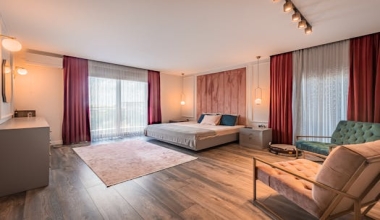
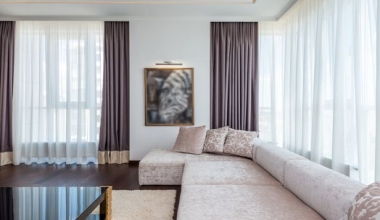
Large living room windows are a stunning architectural feature, flooding the space with natural light and creating an open, airy feel. However, they also present unique challenges when it comes to privacy, light control, and energy efficiency. Blackout curtains for large living room windows offer the perfect solution, combining functionality with style to enhance comfort and aesthetics. In this comprehensive guide, we'll explore everything you need to know—from selection and installation to maintenance and styling tips—to help you make an informed decision.
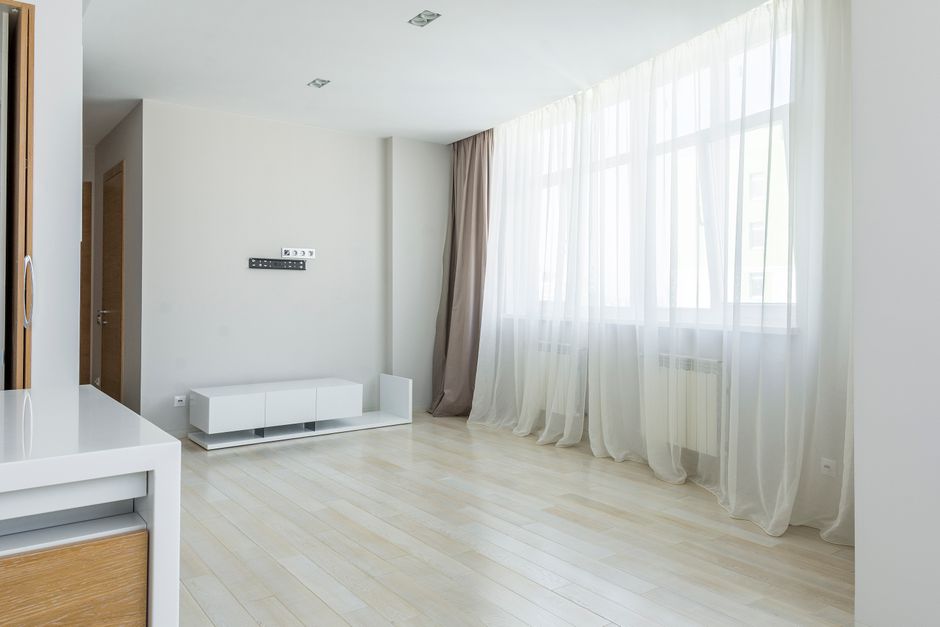
Why Choose Blackout Curtains for Large Windows?
Blackout curtains are specially designed to block external light, providing complete darkness even during the day. For large windows, this is especially important for reducing glare on TVs, improving sleep quality in adjacent rooms, and protecting furniture from UV damage. Additionally, they offer superior insulation, helping to keep your living room cool in summer and warm in winter, which can lower energy bills.
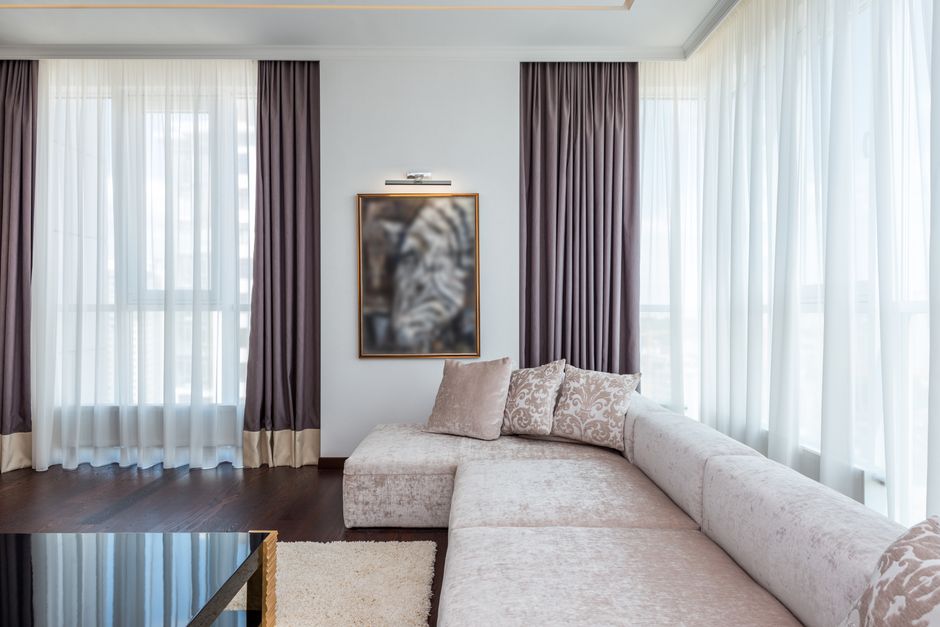
Key Benefits for Large Living Room Windows
Light Control & Privacy
With large windows, controlling sunlight can be tricky. Blackout curtains allow you to adjust light levels precisely, creating a cozy movie theater ambiance or a restful sleep environment. They also ensure privacy at night, as the dense fabric prevents outsiders from seeing inside.
Energy Efficiency
The thermal lining in quality blackout curtains acts as a barrier against heat transfer. In summer, they reflect solar radiation, reducing cooling costs. In winter, they trap indoor heat, minimizing heat loss through the glass. This makes them an eco-friendly choice.
UV Protection
Prolonged sun exposure can fade carpets, upholstery, and artwork. Blackout curtains block up to 99% of UV rays, preserving your interior decor. This is particularly beneficial for large windows that let in more sunlight.
Noise Reduction
Thick, multilayered fabrics also absorb sound, making your living room quieter. This is ideal if your windows face a busy street or you have a home theater setup.
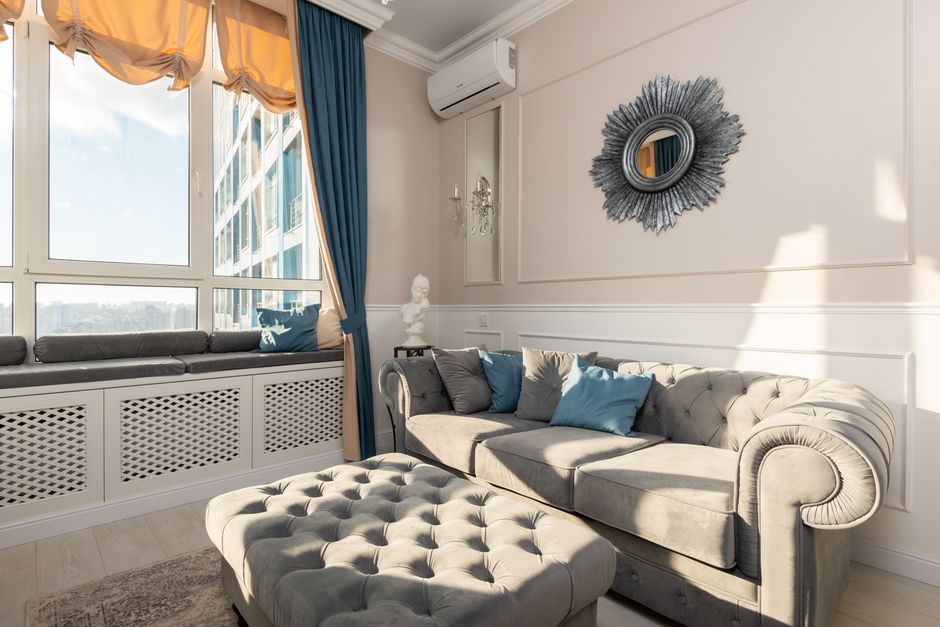
How to Measure and Fit Blackout Curtains for Oversized Windows
Proper measurement is crucial for large windows. Follow these steps to ensure a perfect fit:
- Width: Measure the total width of your window frame or the area you want to cover. For a gathered look, multiply by 2-2.5 to account for fabric fullness. For large windows, consider using multiple panels or extra-wide curtains.
- Length: Decide whether you want curtains to just touch the floor, puddle slightly, or hang above. Standard lengths are 84, 96, 108, and 120 inches. For extra-large windows, custom lengths may be needed.
- Overlap: For maximum light blockage, ensure the curtain rod extends beyond the window frame by 6-12 inches on each side. This allows the curtains to stack fully open while still covering the glass.
- Hardware: Heavy blackout curtains require sturdy rods and brackets. Choose a rod diameter of at least 1.5 inches and use brackets that can support the weight. For windows over 8 feet wide, consider a center support bracket.
| Window Width | Recommended Panel Width (each) | Rod Length |
|---|---|---|
| 60-80 inches | 40-50 inches (2 panels) | 84-104 inches |
| 80-100 inches | 50-60 inches (2 panels) | 104-124 inches |
| 100-120 inches | 60-70 inches (2 panels) or 50 inches (3 panels) | 124-144 inches |
| 120+ inches | Custom or multiple sets | Custom |
Style Considerations: Choosing Fabrics, Colors, and Patterns
Fabric Options
Blackout curtains come in various materials, each with distinct advantages:
- Polyester: Durable, wrinkle-resistant, and affordable. Often blended with other fibers for added texture.
- Velvet: Luxurious and heavy, providing excellent light blocking and insulation. Ideal for dramatic, formal living rooms.
- Cotton/Linen Blends: Natural look with a softer drape. May require a separate blackout lining for complete darkness.
- Acoustic Curtains: Specialized fabrics with sound-absorbing properties, great for home theaters or noisy environments.
Color and Pattern Selection
Light-colored curtains reflect sunlight and make the room feel larger, while dark colors absorb heat and create a cozy atmosphere. For large windows, consider bold patterns or vertical stripes to add visual interest. Neutral tones like gray, beige, or navy offer timeless versatility. If you want to block light completely, opt for double-layer curtains: a blackout lining with a decorative front fabric.
Installation Tips for Heavy Blackout Curtains
Large windows often mean heavy curtain panels. Follow these tips for a safe and functional installation:
- Use a Traverse Rod: For extra-wide windows, a traverse rod with a cord allows you to open and close curtains effortlessly. Alternatively, a motorized system adds convenience for hard-to-reach windows.
- Reinforce Mounting: Secure brackets into studs or use heavy-duty drywall anchors rated for at least 50 pounds per bracket. For concrete walls, use masonry anchors.
- Consider Layering: Pair blackout curtains with sheer curtains for a flexible look. This allows you to diffuse light during the day while preserving privacy.
- Steam Out Wrinkles: New curtains may have creases. Use a fabric steamer (not an iron) to remove wrinkles without damaging the blackout coating.
- Test Light Blockage: After installation, check for gaps at the sides, top, and bottom. Use matching panels or a valance to seal light leaks.
Maintenance and Care for Long-Lasting Performance
To keep your blackout curtains looking great and functioning well:
- Regular Dusting: Use a vacuum with a brush attachment or a lint roller to remove dust every week.
- Spot Cleaning: For minor stains, use a mild detergent and a damp cloth. Avoid rubbing vigorously to prevent damage to the coating.
- Machine Washing: Check the care label. Many polyester blackout curtains are machine washable on a gentle cycle with cold water. Hang dry or tumble dry low. Avoid bleach.
- Dry Cleaning: Velvet and lined curtains typically require dry cleaning to maintain their shape and lining.
- Re-Treating: Over time, the blackout coating may degrade. If light starts seeping through, consider applying a blackout spray liner or replacing the curtains.
Frequently Asked Questions
Can blackout curtains make a room completely dark?
Yes, high-quality blackout curtains block 99% of light. However, gaps at the edges or top allow some light to enter. Use curtain tracks that cover the top and sides for total blackout.
How many panels do I need for a large window?
For a 120-inch window, you'll need at least two 60-inch panels or three 40-inch panels for a gathered look. The general rule is the total panel width should be 2-2.5 times the window width.
Do blackout curtains save energy?
Absolutely. The thermal lining reduces heat transfer, lowering HVAC costs by up to 25% in some cases. They are especially effective in rooms with large windows.
Can I install blackout curtains myself?
Yes, with proper tools and measurement. For large windows, it's recommended to have a helper due to the weight. If you're unsure, professional installation ensures safety and perfect fit.
By choosing the right blackout curtains for your large living room windows, you can transform the space into a comfortable, energy-efficient, and stylish sanctuary. Whether you prioritize light control, insulation, or aesthetics, there are options to suit every need. Take accurate measurements, select quality fabrics, and follow our installation tips to enjoy the benefits for years to come.