Blackout velvet curtain fabric combines the luxurious look of velvet with the functional benefits of blackout technology. It's a popular choice for bedrooms, home theaters, and hotels. However, like any material, it has both advantages and disadvantages. Below, we explore seven key benefits and drawbacks to help you decide if blackout velvet is right for your space.

1. Superior Light Blocking
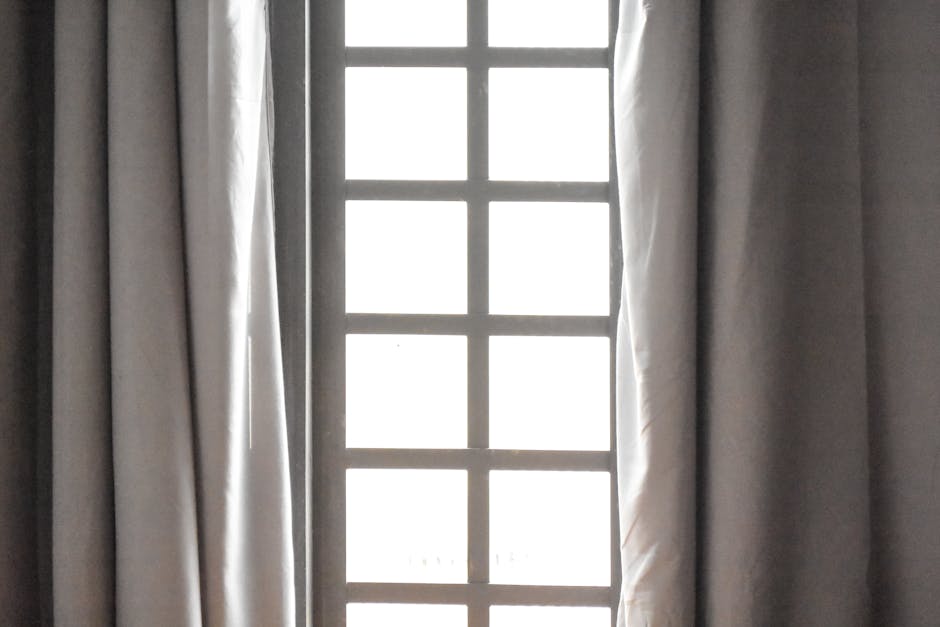
The primary benefit of blackout velvet curtains is their ability to block virtually all external light. The dense weave of velvet, combined with a blackout lining or coating, ensures that no sunlight or streetlight penetrates the fabric. This creates a pitch-dark environment ideal for sleep, shift workers, or media rooms.
Velvet's thick pile further enhances light absorption, reducing glare even around the edges when installed properly. For maximum darkness, choose curtains with a triple-weave construction that integrates the blackout layer directly into the fabric.
2. Excellent Thermal Insulation
Velvet is naturally a thick, heavy fabric, and when engineered with a blackout backing, it provides outstanding thermal insulation. These curtains help maintain indoor temperatures by reducing heat loss through windows in winter and keeping rooms cooler in summer by reflecting solar radiation.
This energy efficiency can lower heating and cooling costs significantly. The fabric's density also minimizes drafts, making it a smart investment for energy-conscious homeowners. For best results, mount the curtains close to the window frame and use a pelmet to seal the top.
3. Aesthetic Appeal and Luxury
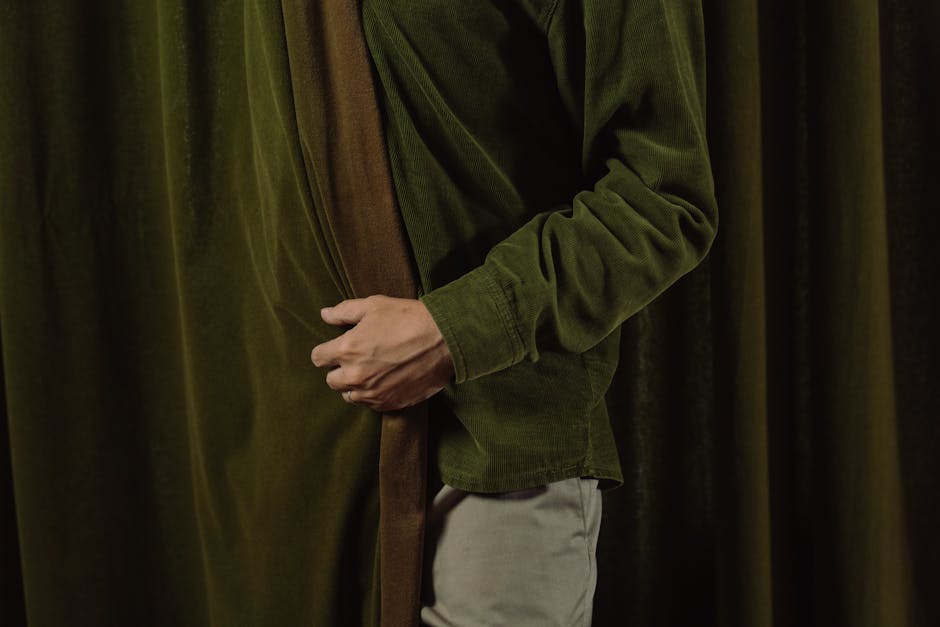
Velvet adds a touch of elegance and sophistication to any room. Its rich texture and deep colors create a plush, opulent look that elevates interior design. Blackout velvet curtains come in a wide range of hues from classic jewel tones to modern neutrals, allowing you to match any décor.
The fabric's soft sheen catches light beautifully, adding depth and dimension to windows. Unlike cheaper blackout materials, velvet doesn't look utilitarian; it seamlessly combines function with high-end style, making it a favorite for luxury hotels and high-end residences.
4. Sound Dampening Properties
The dense construction of blackout velvet also absorbs sound, reducing noise from outside and improving acoustics inside a room. This is particularly beneficial in urban areas, home theaters, or music studios. The fabric helps dampen echoes and minimizes airborne noise infiltration.
While it won't replace professional acoustic panels, velvet curtains can significantly lower ambient noise levels, creating a more peaceful environment. For enhanced soundproofing, use floor-to-ceiling curtains with a generous fullness ratio (2.5 times the window width).
5. High Maintenance and Cleaning Challenges
One of the main drawbacks of blackout velvet is its maintenance. Velvet is prone to attracting dust, pet hair, and lint, and the blackout coating can be sensitive to moisture. Most velvet curtains require dry cleaning or gentle hand washing, which is more expensive and time-consuming than washing cotton or polyester.
Vacuuming with a soft brush attachment can help between cleanings, but spills must be addressed immediately to avoid stains. Additionally, the fabric may crush or lose its pile if not handled carefully, and ironing is not recommended as heat can damage the blackout layer.
6. Potential for Fading and Wear
Despite its thickness, velvet can fade over time when exposed to direct sunlight, especially if the fabric is not UV-protected. While blackout linings reduce light transmission, the face fabric may still degrade if sunlight hits it through gaps. This can lead to uneven color changes, particularly near window edges.
Furthermore, the pile of velvet can flatten or become matted in high-traffic areas or where curtains are frequently drawn. To extend their life, consider lining the curtains with a UV-protective layer and rotating them periodically to distribute wear evenly.
7. Higher Cost Compared to Other Fabrics
Blackout velvet curtains are generally more expensive than standard polyester or cotton blackout curtains. The cost arises from the quality of the velvet fabric, the added blackout technology, and the manufacturing process. Custom-made options or designer brands can be particularly pricey.
However, many users find the investment worthwhile given the durability, insulation, and aesthetic value. For budget-conscious buyers, it may be worth comparing prices across suppliers and considering ready-made sizes instead of custom orders. Remember that cheaper velvet blends may compromise on both beauty and performance.