Introduction
When shopping for window treatments, two popular options often come up: blackout curtains and thermal lined curtains. While they share some similarities, they serve distinct purposes. This comprehensive comparison will help you understand the differences, benefits, and ideal use cases for each. Whether you need complete darkness for sleep or energy efficiency for your home, we’ll guide you through the decision-making process.
What Are Blackout Curtains?
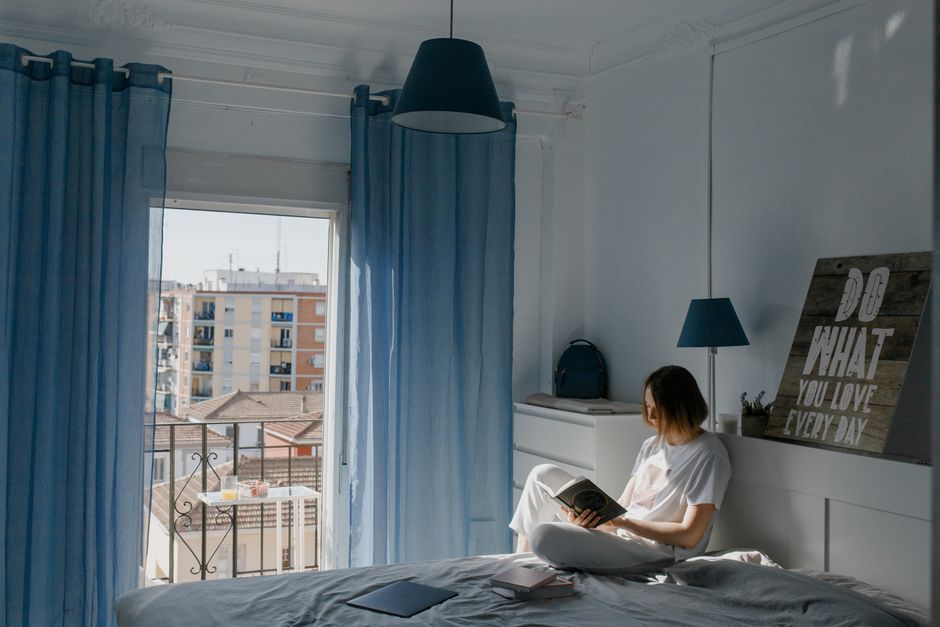
Blackout curtains are specifically designed to block out external light. They achieve this through a dense weave or a special coating on the fabric, often using multiple layers of opaque materials. The primary goal is to create a pitch-black room, which is ideal for bedrooms, nurseries, home theaters, and shift workers who sleep during daylight hours.
Blackout fabrics can be made from various materials such as polyester, cotton blends, or velvet. The key feature is their ability to reduce light transmission to near zero. Many blackout curtains also offer some insulation and noise reduction as secondary benefits, but light blockage is their main priority.
What Are Thermal Lined Curtains?
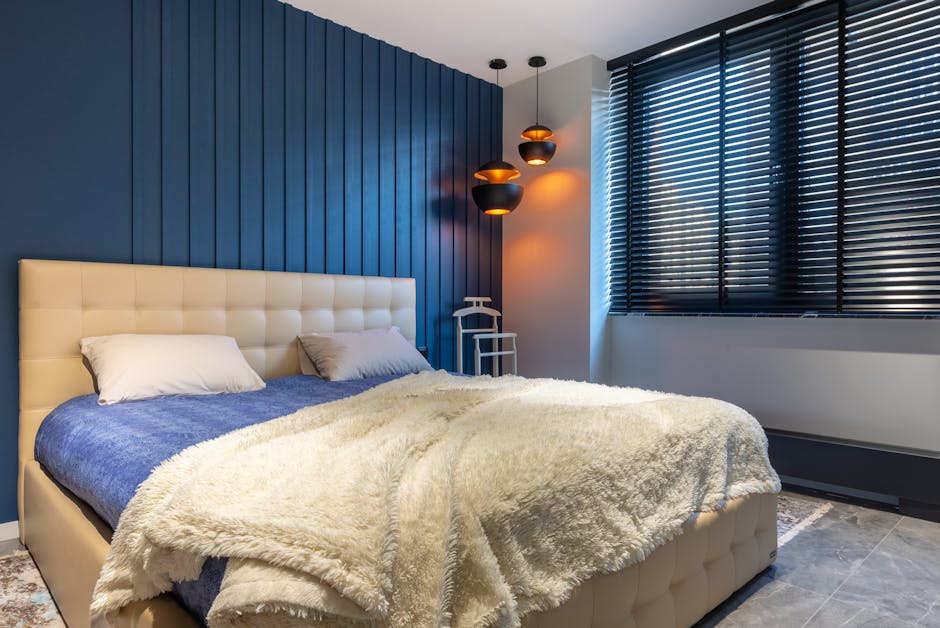
Thermal lined curtains have an extra layer of insulating material attached to the back of the fabric. This lining is usually made of acrylic foam, flannel, or a reflective layer that helps regulate indoor temperature. The primary purpose is to reduce heat loss in winter and keep rooms cooler in summer, thereby improving energy efficiency.
Thermal curtains also provide some light blocking, but not to the same degree as dedicated blackout curtains. They are often chosen for rooms where temperature control is more important than total darkness, such as living rooms, dining areas, or rooms with large windows.
Key Differences Between Blackout and Thermal Curtains
| Feature | Blackout Curtains | Thermal Lined Curtains |
|---|---|---|
| Primary Function | Block light completely | Insulate against heat/cold |
| Light Blockage | 99%+ light reduction | Moderate (50-80%) |
| Thermal Performance | Some, but not primary | Excellent (R-value up to 1.5) |
| Fabric Thickness | Dense, often with coating | Varies, but lining adds bulk |
| Cost | $20-$100 per panel | $30-$150 per panel |
| Best For | Bedrooms, nurseries, media rooms | Living rooms, sunrooms, energy saving |
When to Choose Blackout Curtains
- Sleep Optimization: If you are a light sleeper or need total darkness, blackout curtains are essential. They are perfect for bedrooms and nurseries.
- Home Theaters: To eliminate glare on screens, blackout curtains are a must. They create a cinema-like atmosphere.
- Shift Workers: People who sleep during the day need blackout curtains to simulate nighttime conditions.
- Privacy: Blackout curtains also offer high privacy since no one can see through them from outside.
When to Choose Thermal Lined Curtains
- Energy Efficiency: If you want to reduce heating or cooling bills, thermal curtains are a smart investment. They trap cold drafts in winter and reflect heat in summer.
- Noise Reduction: The thick lining helps dampen outside noise, making them good for rooms facing busy streets.
- Temperature Inconsistency: Rooms with large windows or sliding glass doors benefit greatly from thermal curtains to maintain comfortable temperatures.
- Living Areas: For spaces where you still want some natural light but need insulation, thermal curtains strike a balance.
Can You Combine Both?
Yes, it is possible to combine blackout and thermal properties in one curtain. Many manufacturers offer curtains that have both a blackout layer and a thermal lining. These are often called “blackout thermal curtains” and provide the best of both worlds: total darkness plus excellent insulation. They tend to be thicker and heavier, so make sure your curtain rod can support the weight.
Alternatively, you can layer sheer curtains with blackout curtains, or use a dual-track system to alternate between blackout and thermal options depending on the time of day or season.
How to Choose the Right One for Your Room
Step 1: Identify Your Primary Need
If your main goal is blocking light for better sleep or a media room, go with blackout curtains. If you are more concerned about energy savings and temperature regulation, thermal curtains are the way to go.
Step 2: Consider the Room Location
Bedrooms and nurseries need light control. Living rooms, dining rooms, and home offices can tolerate some light but may benefit more from thermal insulation.
Step 3: Look at Fabric and Lining Quality
For blackout curtains, check the fabric density and whether it has a triple-weave or coated backing. For thermal curtains, ensure the lining is thick and has a high R-value (thermal resistance).
Step 4: Aesthetics and Maintenance
Both types come in a wide range of colors and textures. Velvet and sheer options are available for varying styles. Always check the care instructions – many blackout and thermal curtains are dry clean only, while others are machine washable on gentle cycles.
Step 5: Measure and Install Properly
For maximum effectiveness, curtains should extend beyond the window frame on both sides and reach the floor. Use a curtain rod with sufficient support, especially for heavy thermal or blackout curtains.
Practical Tips
- For a more eco-friendly option, look for curtains made from recycled materials or with non-toxic coatings.
- If you want both darkness and insulation without buying two sets, invest in high-quality blackout thermal curtains.
- Use curtain holdbacks to allow light in when needed – especially useful in rooms where blackout curtains are installed.
- Combine with blinds for additional light control and energy efficiency.
Conclusion
Both blackout and thermal lined curtains offer valuable benefits, but the choice ultimately depends on your specific needs. If light blockage is your priority, blackout curtains are unmatched. If you want to improve your home’s energy efficiency and comfort, thermal curtains are the better investment. For the ultimate solution, look for curtains that combine both features. Evaluate your room’s requirements, budget, and style preferences, and you’ll find the perfect window treatment to enhance your living space.