Blackout curtains are a popular choice for bedrooms, home theaters, and nurseries, but buying the wrong ones can leave you frustrated and still squinting in the morning light. Many shoppers make avoidable errors that compromise light blockage, insulation, or longevity. This guide reveals the five most common mistakes people make when purchasing blackout curtains—along with expert tips to ensure you get the darkest, most effective curtains possible.
Mistake #1: Confusing “Room-Darkening” with “Blackout”
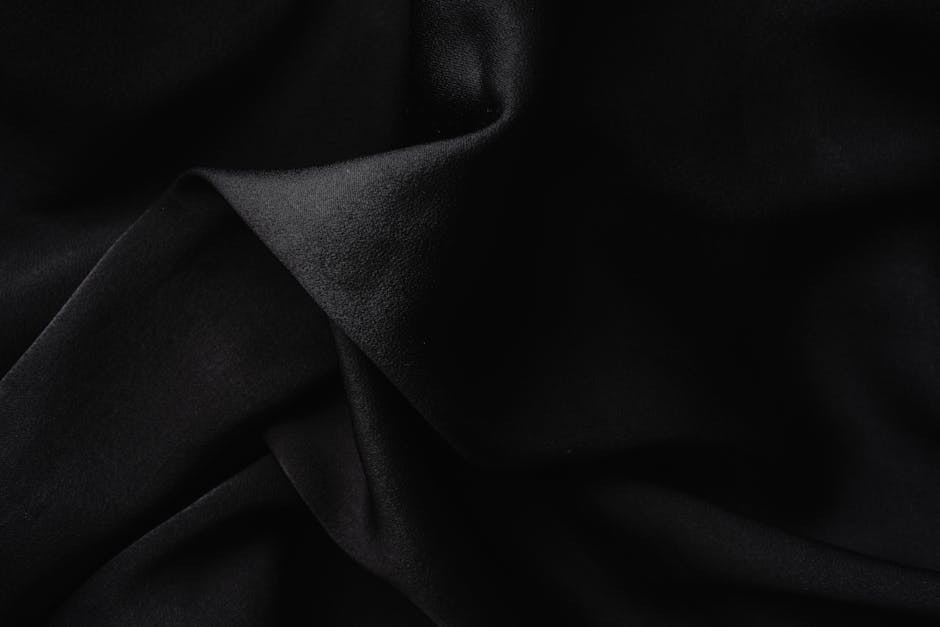
One of the biggest pitfalls is assuming all dark curtains block light completely. Labels like “room darkening” or “light filtering” are not the same as genuine blackout. Room-darkening fabrics reduce light but allow some through, while true blackout curtains block 95–100% of external light. Always check the product specification for a “blackout” rating or look for a “100% light blockage” claim. If possible, read customer reviews or request a fabric swatch to test opacity.
Tip: Look for curtains with a tight weave or a triple-woven construction. These typically offer superior light blockage compared to coated fabrics.
Mistake #2: Ignoring the Lining and Fabric Construction
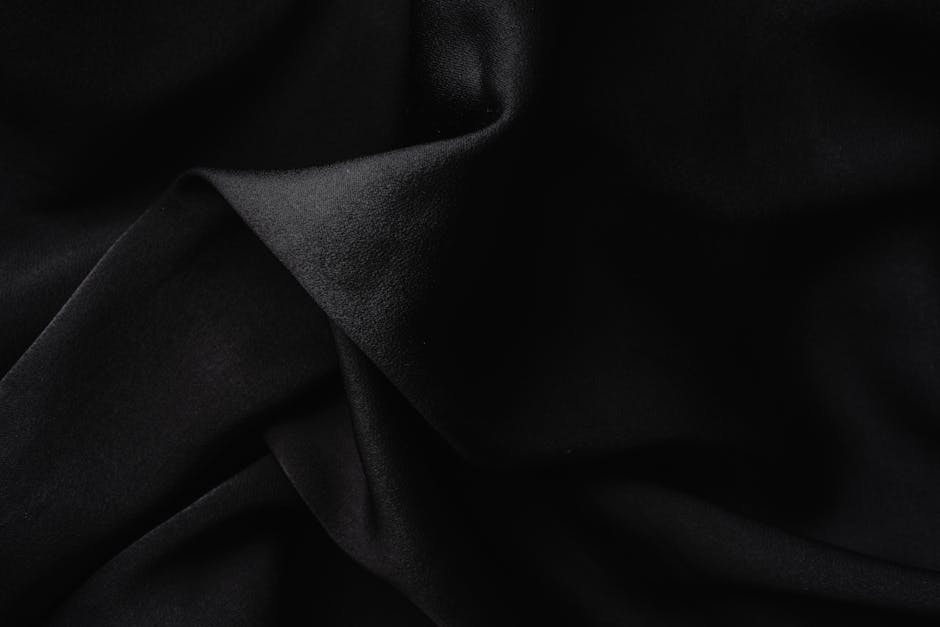
Not all blackout curtains are created equal. Some use a foam or acrylic coating on the back, while others are triple-woven (the blackout layer is built into the fabric). Coated linings can peel, crack, or become less effective over time, especially after washing. Triple-woven or “double-pass” blackout fabrics are more durable and often have a more attractive appearance on both sides.
Comparison of Common Blackout Technologies
| Type | Light Blockage | Durability | Care |
|---|---|---|---|
| Coated back | Good initially | Low (coating degrades) | Dry clean only |
| Triple-woven | Excellent | High | Machine washable |
| Acoustic blackout | Excellent | Very high | Spot clean or dry clean |
Tip: Choose triple-woven blackout curtains if you want long-lasting performance. For added thermal insulation, look for a fabric with a flannel or felt layer.
Mistake #3: Choosing the Wrong Size
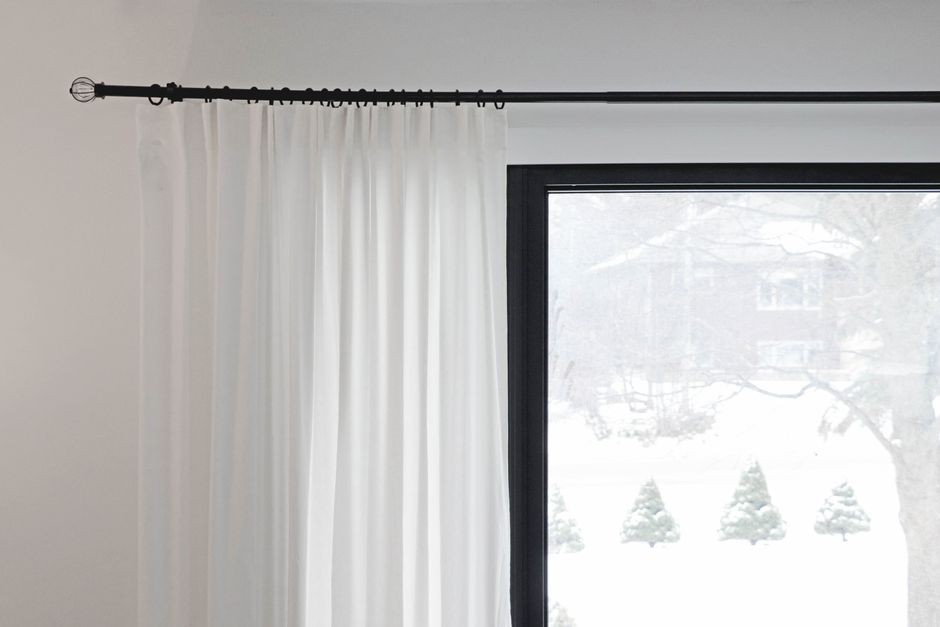
Many buyers focus on width and forget about height—or they purchase curtains that are too narrow. Blackout curtains must extend well beyond the window frame on all sides to prevent light from seeping in at the edges. Standard curtain panels are often too short for floor-to-ceiling coverage, which is ideal for light control.
- Width: Each panel should be at least 1.5 to 2 times the width of the window. For a 48-inch window, use two panels of 48 inches each (total 96 inches) for proper fullness.
- Length: Mount the curtain rod as high as possible, ideally near the ceiling, and let the panels touch the floor. This eliminates top light leakage and creates a more dramatic look.
- Overlap: For additional light blocking, choose curtains that overlap in the center when closed.
Tip: Measure your window area and add 8–12 inches extra on each side and 2–4 inches above the frame. Many online retailers offer custom sizes if standard ones don’t fit.
Mistake #4: Overlooking Light Leakage from Gaps and Mounting
Even the best blackout fabric can fail if light sneaks in around the rod, top, bottom, or sides. Common culprits include a standard curtain rod that leaves gaps at the top, curtains that don’t reach the floor, or panels that are not wide enough to cover the window fully. Also, wall-mounted brackets can create small holes where light enters.
Solutions for Light Leakage
- Use a track system or a contoured rod that hugs the wall, reducing side gaps.
- Install a valance or cornice at the top to block overhead light.
- Choose curtains with a sewn-in header tape for a snug fit against the rod.
- For maximum darkness, consider blackout blinds or liners in addition to curtains.
Tip: After installing, check for light leaks at different times of day, especially when the sun is low. Use magnetic tape or Velcro to seal any remaining gaps.
Mistake #5: Forgetting About Care and Maintenance
Blackout curtains, especially those with coatings, require specific cleaning methods. Once washed incorrectly, the blackout layer can peel, crack, or lose its effectiveness. Always read the care label. Many coated curtains are dry-clean only, while triple-woven options can often be machine washed on gentle cycle.
- Coated fabrics: Spot clean with a damp cloth. Avoid harsh detergents and never bleach.
- Triple-woven: Machine wash in cold water, gentle cycle. Tumble dry low or air dry. Do not iron the back side.
- Velvet blackout: Dry clean to preserve texture and darkness.
Additionally, regular dusting and vacuuming with a brush attachment will keep the fabric fresh without frequent washing. Over time, even the best curtains may fade in direct sunlight—rotate them if possible.
Conclusion
Avoiding these five common mistakes will help you choose blackout curtains that deliver true darkness, energy savings, and lasting beauty. Always verify the fabric’s blackout rating, opt for durable construction, measure carefully, install to minimize gaps, and follow care instructions. With the right curtains, you can transform any room into a perfectly darkened sanctuary.