Introduction
Choosing between blackout and sheer curtain fabric can dramatically affect a room's ambiance, energy efficiency, privacy, and light control. Both serve distinct purposes, but which one is best for your space? This comprehensive comparison analyzes features, benefits, and drawbacks of each fabric type, helping you make an informed decision.
Understanding Blackout Curtain Fabric
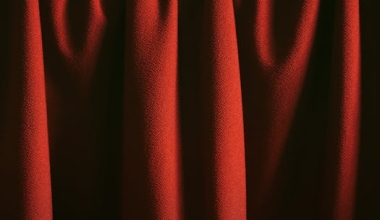
Blackout fabric is designed to block external light completely, creating a dark environment ideal for bedrooms, media rooms, and offices. It typically consists of multiple layers, including a dense weave and often a foam or acrylic coating that prevents light penetration.
Key Characteristics of Blackout Fabric
- Light Blocking: Blocks 95–100% of light
- Thermal Insulation: Reduces heat loss in winter and heat gain in summer
- Noise Reduction: Denser material dampens outside noise
- Privacy: Completely opaque – no one can see through
- UV Protection: Prevents fading of furniture and flooring
Understanding Sheer Curtain Fabric
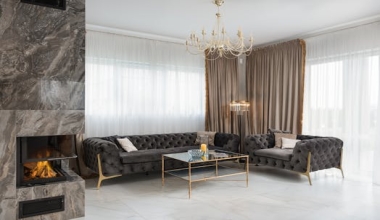
Sheer fabric is lightweight, semi-transparent, and allows natural light to filter through while offering a soft, airy aesthetic. It is commonly made from polyester, cotton, linen, or silk blends, and is often used in living rooms, dining areas, or layered with heavier drapes.
Key Characteristics of Sheer Fabric
- Light Diffusion: Softens harsh sunlight, creating a warm glow
- Airy Feel: Lightweight, enhances room spaciousness
- Daytime Privacy: Obscures view from outside during the day (reverses at night with interior lights on)
- Energy Efficiency: Minimal insulation unless layered
- Aesthetic Versatility: Works in casual to formal settings
Side-by-Side Comparison
| Feature | Blackout Fabric | Sheer Fabric |
|---|---|---|
| Light Control | Complete darkness (99%+ blocking) | Soft, diffused light (30–50% blocking) |
| Privacy | Total 24/7 privacy | Daytime privacy only; needs layering at night |
| Insulation | Excellent thermal and sound insulation | Minimal; best paired with thermal liners |
| UV Protection | High (blocks up to 99% of UV rays) | Low to moderate (depends on weave density) |
| Maintenance | May require special washing; avoid bleach | Generally machine washable, dry quickly |
| Aesthetic | Solid, heavy, often matte or textured | Light, flowing, translucent, variety of patterns |
| Cost | Higher due to multi-layer construction | Lower to moderate |
When to Choose Blackout Fabric
Opt for blackout curtains if you need complete darkness for sleep, work, or home theater. They are excellent for shift workers, parents of light-sensitive babies, and those living near bright streetlights. Blackout fabric also improves energy efficiency, reducing heating and cooling bills. Ideal rooms: bedrooms, nurseries, home offices with screens, and media rooms.
When to Choose Sheer Fabric
Choose sheers if you want to maximize natural light while maintaining a sense of openness. They are perfect for spaces where you spend daytime hours, such as living rooms, kitchens, and conservatories. Sheers can also be layered with blackout drapes for flexible control – sheer for day, blackout for night. Ideal rooms: bright living areas, dining rooms, sunrooms, and layering under valances.
The Best of Both Worlds: Layering
Many modern window treatments combine blackout and sheer fabrics. Consider double-track systems with both blackout and sheer panels. This allows you to adjust light and privacy throughout the day. Alternatively, choose hybrid fabrics – some blackout fabrics have a sheer coating on one side, offering both opacity and softness.
Care and Maintenance Comparison
| Aspect | Blackout Fabric | Sheer Fabric |
|---|---|---|
| Cleaning Method | Vacuum with brush, spot clean, or dry clean | Machine wash gentle cycle, mild detergent |
| Drying | Air dry or low heat tumble, avoid over-drying | Air dry or low heat, iron if needed |
| Wrinkle Resistance | Moderate; steam can help | Low; may need ironing after washing |
| Longevity | 5–10 years with proper care | 3–7 years depending on fabric quality |
Industry Applications
Hospitality
Hotels use blackout curtains for guest rooms to ensure sleep quality. Sheers are used in lobbies and dining areas to create an inviting atmosphere with natural light.
Healthcare
Hospitals require blackout fabrics in patient rooms for rest, while sheers maintain a soothing aesthetic in waiting areas.
Residential
Homeowners often layer both types – sheers for daytime elegance, blackouts for nighttime privacy and sleep.
Final Recommendation
For most homes, the best solution is not either/or but both. Start with blackout fabric in bedrooms and media rooms, and use sheer fabric in living and dining areas where light and openness are desired. If budget allows, invest in a dual-track system that lets you switch effortlessly between total darkness and gentle light diffusion. For a single-fabric solution, choose blackout if you prioritize privacy and energy efficiency; choose sheer if you value natural light and an airy aesthetic.
Ultimately, the best curtain fabric depends on your specific needs. Evaluate room function, sun exposure, privacy requirements, and desired ambiance. Test fabric samples at home before purchasing – see how light behaves at different times of day. With the right choice, your curtains will transform your space into a comfortable, stylish haven.