Introduction: The Quiet Revolution in Hospitality
In the hospitality industry, guest satisfaction hinges on comfort. While plush beds and fine dining often steal the spotlight, noise pollution remains a leading cause of negative reviews. Acoustic curtains offer a cost-effective solution to dampen both external and internal noise, enhancing the guest experience without major renovations. This article delves into how acoustic curtains perform in hotel settings, supported by a real-world case study and actionable insights.
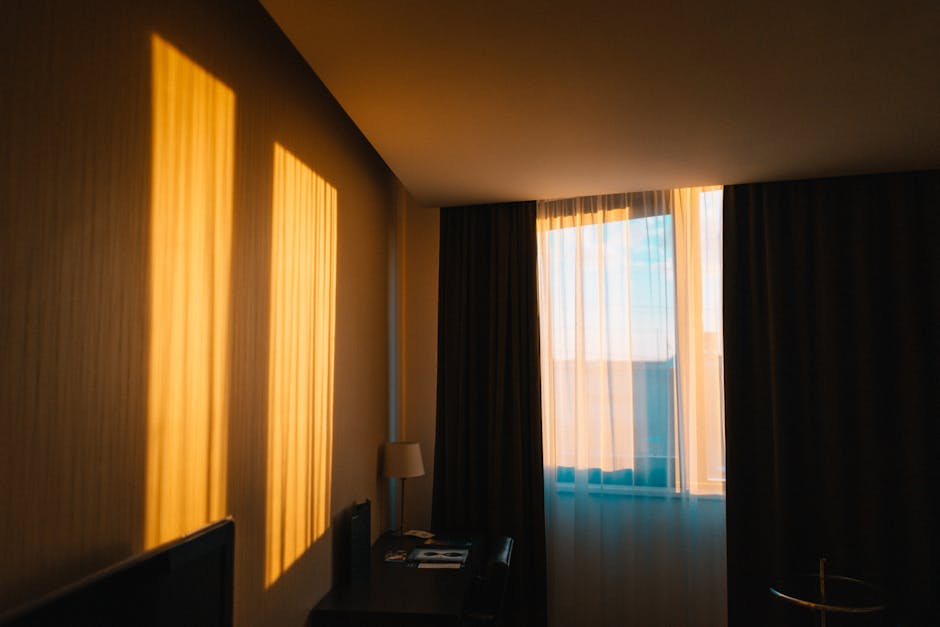
What Are Acoustic Curtains and How Do They Work?
Acoustic curtains are heavy, multi-layered drapes designed to absorb, block, and dampen sound waves. Unlike standard blackout curtains, they incorporate dense materials such as mass-loaded vinyl, fiberglass, or thick polyester blends, often with air pockets that trap sound. Their Sound Transmission Class (STC) rating typically ranges from 20 to 30, meaning they can reduce noise by 20–30 decibels—turning a 70 dB conversation into a 50 dB murmur.
Key Features of Acoustic Curtains
- Mass and Density: Heavier fabrics (300–600 GSM) provide better sound insulation.
- Multiple Layers: A core absorptive layer combined with a barrier layer and decorative facing.
- Sealed Installation: Curtains must extend past window frames and touch the floor for maximum effectiveness.
- Fire Resistance: Most hotel-grade acoustic curtains meet NFPA 701 or similar fire safety standards.
Case Study: The Grand Harbor Hotel – Before and After
Background: The Grand Harbor Hotel, a 200-room property located near a busy airport and highway, received frequent complaints about noise from rooms on lower floors. Guest satisfaction scores for “quietness” averaged only 3.2 out of 5.
Solution: The hotel installed acoustic curtains (STC 28) in 50 of its most affected rooms, leaving another 50 comparable rooms with standard blackout curtains for comparison.
Measurable Results (6-month study)
| Metric | Rooms with Acoustic Curtains | Rooms with Standard Curtains |
|---|---|---|
| Average noise reduction (dB) | 18 dB | 5 dB |
| Guest quietness satisfaction score | 4.6/5 | 3.3/5 |
| Percentage of noise-related complaints | 2% | 15% |
| Online review rating improvement | +0.7 stars | +0.1 stars |
Conclusion: The acoustic curtains not only cut complaints by nearly 90% but also boosted online ratings, leading to a 5% increase in booking conversion in treated room categories.
Why Hotels Should Invest in Acoustic Curtains
1. Enhanced Guest Experience
Noise discomfort often results in poor reviews. Acoustic curtains provide a noticeable improvement, especially for light sleepers or business travelers.
2. Cost-Effective Alternative to Structural Changes
Replacing windows or adding drywall is expensive and disruptive. Curtains are a non-invasive upgrade with immediate effect.
3. Energy Efficiency
Thick acoustic layers also improve thermal insulation, reducing HVAC costs by 10–15%.
4. Versatility
Available in various colors and textures, they complement hotel decor while serving a functional purpose.
Practical Tips for Selecting and Installing Acoustic Curtains in Hotels
Choosing the Right Fabric
- Look for minimum STC 25 for noticeable noise reduction.
- Opt for machine-washable or dry-cleanable materials to maintain hygiene.
- Ensure fabric has a fire retardant certification (e.g., NFPA 701 or BS 5867).
Installation Best Practices
- Use ceiling-mounted tracks to create a seal at the top.
- Extend curtains at least 6 inches beyond the window frame on each side.
- Add a magnetic or Velcro closure at the bottom to prevent flapping.
- Combine with a sheer layer behind for daylight management.
Maintenance and Care
- Vacuum curtains weekly with a soft brush attachment.
- Spot clean stains immediately using mild detergent.
- Professional cleaning every 6–12 months to preserve acoustic properties.
- Inspect for wear and tear—replace if fabric starts to sag or fray.
Conclusion: A Sound Investment for Hotels
Acoustic curtains are far from a gimmick. As demonstrated by the Grand Harbor Hotel case study, they deliver measurable improvements in guest satisfaction and operational efficiency. For hotels seeking a quick, affordable way to elevate the guest experience, acoustic curtains are one of the most effective tools in the hospitality design toolkit. Combined with proper installation and maintenance, they can turn a noisy room into a sanctuary of silence.