Understanding UV Damage and Fabric Fading
Sunlight contains ultraviolet (UV) radiation that gradually breaks down the chemical bonds in curtain fibers, leading to color loss, weakening, and brittleness. UV light is the primary cause of fading, but visible light and heat also contribute. The extent of damage depends on factors such as fabric type, dye quality, exposure duration, and sun intensity. Understanding the science of fading helps you choose effective prevention strategies.
Choosing the Right Fabric for Sun Resistance
Blackout Curtains
Blackout fabrics are inherently protective because they block nearly all light. The dense weave and opaque coatings (like acrylic foam) provide a physical barrier against UV rays. When selecting blackout curtains, look for triple-weave construction or a certified UV-blocking rating (e.g., UPF 50+). They are ideal for south-facing windows with maximum sun exposure.
Sheer Curtains
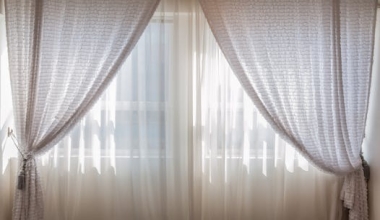
Sheers offer minimal UV protection on their own due to their open weave. However, they can be paired with blackout or lined drapes. Some modern sheers incorporate UV-absorbing threads or finishes. If you love the ethereal look, use sheers as a first layer and install a heavier curtain behind them to diffuse and block radiation.
Velvet Curtains
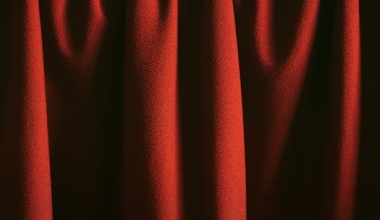
Velvet’s dense pile naturally absorbs and scatters light, providing moderate UV protection. However, the dye depth can make fading more noticeable when it occurs. To preserve velvet, choose solution-dyed (fiber-dyed) varieties where color is integral to the fiber, or apply a UV-protective spray designed for upholstery. Avoid direct sun exposure on velvet for extended periods.
Acoustic Curtains
Acoustic curtains are made of thick, multi-layer fabrics (often felt or mass-loaded vinyl). Their dense structure inherently blocks light and UV rays. Many acoustic curtains have a blackout backing. They are excellent for both soundproofing and sun protection, though be mindful of heat buildup in dark colors. Verify manufacturer UV ratings.
Installing Curtain Linings
A separate curtain lining is one of the most effective and affordable ways to prevent fading. Linings act as a sacrificial barrier, absorbing UV rays before they reach the main fabric. Choose from:
- White or light-colored linings: Reflect sunlight and reduce heat accumulation.
- Blackout linings: Block up to 99% of UV light and are often removable for cleaning.
- Thermal linings: Combine insulation with UV protection, suitable for energy efficiency.
Attach linings using hooks, rings, or a separate rod. Ensure the lining extends beyond the window frame to prevent side light leakage.
Applying UV-Protective Window Films
Window films are a permanent solution that reduces UV penetration by 95-99%. They adhere directly to glass and come in clear, tinted, or decorative options. Benefits include:
- Minimal change to natural light (clear films are virtually invisible).
- Protection for all window furnishings, not just curtains.
- Additional heat rejection, lowering cooling costs.
Professional installation is recommended for bubble-free results. Choose films with a UV-blocking specification and ensure they are compatible with your window type (e.g., double-pane).
Rotating Curtains and Using Layering
Regularly rotate your curtains – swap panels from sun-exposed sides to shaded sides every few months. This evens out fading so differences are less noticeable. Layering multiple curtain types also spreads the UV load. For example, a light-filtering sheer followed by a blackout panel reduces the intensity of light hitting any single fabric.
Using Dyes and UV-Protective Sprays
Aftermarket fabric protectants (e.g., Scotchgard) can add UV resistance. Always test on an inconspicuous area first. Reapplication is needed after laundering. Alternatively, choose solution-dyed fabrics where color is locked into fibers, making them 5-10 times more fade-resistant than traditional dyeing.
Cleaning and Maintenance to Preserve Color
Dust and dirt accelerate fading by trapping heat and chemicals. Dust curtains weekly with a soft brush attachment. Vacuum velvet and acoustic fabrics gently. For washing:
- Check care labels – many blackout and acoustic fabrics must be dry-cleaned.
- Use cold water and mild detergent for machine-washable curtains.
- Hang to dry away from direct sun (avoid dryer heat).
- Iron at low temperature or steam to refresh.
Avoid bleach and harsh chemicals that can degrade UV protection coatings.
Comparative UV Resistance of Curtain Fabrics
| Fabric Type | Inherent UV Protection | Best Practices | Fade Resistance Rating (1-10) |
|---|---|---|---|
| Blackout (coated) | Excellent (UPF 50+) | Triple-weave, avoid cheap foam that cracks | 9 |
| Velvet (solution-dyed) | Good | Use lining, keep out of intense direct light | 7 |
| Acoustic (multi-layer) | Very Good | Check for blackout backing | 8 |
| Sheer (standard) | Poor (UPF < 15) | Layer with blackout or use UV-treated sheers | 3 |
Additional Tips for Long-Term Protection
- Install eaves, awnings, or exterior blinds to reduce window exposure.
- Use sheer curtains on south and west windows, blackout on north and east.
- Keep curtains at least 2 inches away from glass to allow airflow and prevent heat buildup.
- Consider UV-protective shades (e.g., roller blinds) as an alternative or supplement.
- Monitor curtain condition annually – treat or replace as needed.
By combining fabric selection, linings, films, and proper maintenance, you can dramatically extend the life of your curtains and keep them looking vibrant. Start with a UV assessment of your windows, then layer protection for optimal results.