Introduction
Thermal insulated curtains have transcended their traditional role as window coverings to emerge as a high-performance solution for energy efficiency, indoor comfort, and environmental sustainability. In residential, commercial, and hospitality settings—from urban apartments and suburban homes to hotels, offices, and educational institutions—these curtains directly address a critical challenge: window-related heat transfer. Windows are a primary source of energy loss in cold climates (accounting for 25-30% of residential heating energy use, per industry research) and unwanted heat gain in warm regions, making thermal insulated curtains a cost-effective investment for both end-users and businesses. Beyond energy savings, they also enhance acoustic comfort by reducing external noise and offer design flexibility to complement diverse interior aesthetics, solidifying their position as a versatile product for global markets.
Core Design Variations: Adapting to Climatic Needs
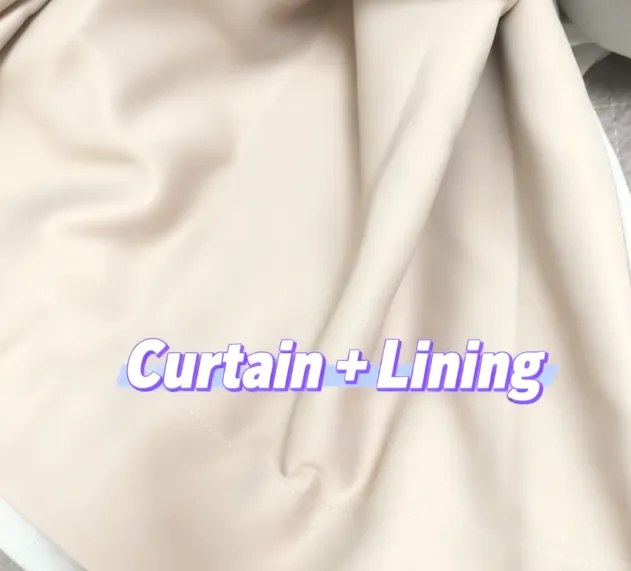
1. Single-Layer Design with Polypropylene Padding
- Cost-effectiveness: Ideal for price-sensitive markets or large-scale installations (e.g., apartment complexes).
- Space efficiency: Slim profile fits well in rooms with limited wall or window space.
- Added acoustic value: The polypropylene padding absorbs mid-range noise, reducing disturbances from traffic, neighbors, or public spaces.
- Low maintenance: Most single-layer options are machine-washable, with the polypropylene padding retaining its shape and insulation properties after repeated laundering.
This design is particularly popular in residential settings, student dormitories, and budget-friendly commercial projects where balancing performance and affordability is a priority.
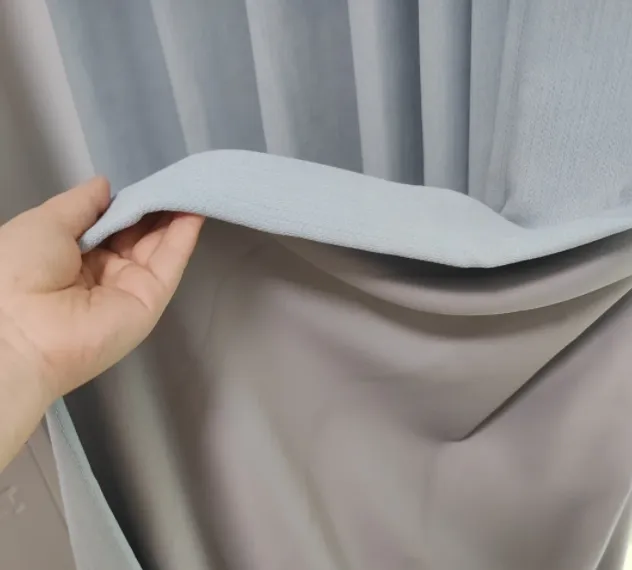
2. Detachable Double-Layer Design
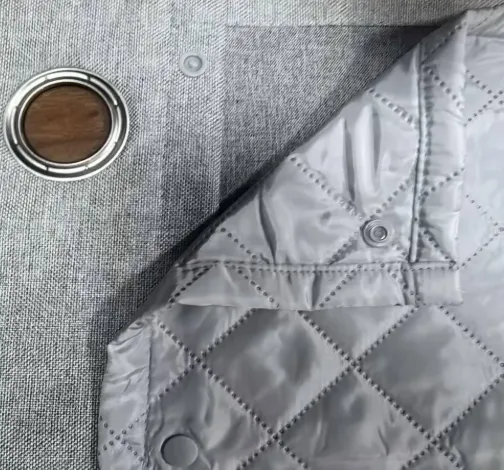
- Markets with four distinct seasons: Reduces the need for separate winter and summer window treatments.
- Hospitality and short-term rentals: Allows property managers to adjust curtains based on guest preferences and seasonal needs.
- Eco-conscious buyers: Supports year-round energy savings by adapting to changing weather conditions without additional product purchases.
Fabric Selections and Heading Styles: Merging Form and Function
1. Fabric Options and Their Performance Traits
- Brushed Polyester: Features a soft, velvety texture that adds warmth to interiors. Its dense weave enhances thermal retention, while the brushed surface traps air (a natural insulator) to boost performance. Ideal for bedrooms, living rooms, and nurseries where comfort and coziness are priorities.
- Polyester Taffeta: A smooth, lightweight fabric with a subtle sheen. It is highly durable, resistant to wrinkles and fading, and offers excellent light-blocking capabilities when paired with polypropylene padding. Suitable for hotels, offices, and formal spaces where a polished, low-maintenance look is desired.
- Faux Linen: Mimics the natural texture and elegance of linen without the latter’s tendency to wrinkle or shrink. It is breathable, durable, and blends seamlessly with modern, Scandinavian, or rustic interior styles. Popular in boutique hotels, upscale apartments, and residential projects.
- Plain-Weave Polyester: A versatile, cost-effective option with a tight weave that enhances thermal performance. It is resistant to stains and wear, making it suitable for high-traffic areas like waiting rooms, classrooms, and commercial lobbies.
2. Versatile Heading Styles for Diverse Installations
- Grommet (Eyelet): Circular metal or plastic rings integrated into the top of the curtain. They slide smoothly along rods, making operation easy, and create a modern, streamlined look. Ideal for residential and commercial spaces where quick, frequent adjustments are needed.
- Rod Pocket: A sewn-in pocket at the top of the curtain that slides directly over a rod. This style offers a clean, traditional appearance and is simple to install, making it popular for apartments and budget-friendly projects.
- Velcro Tops: Features hook-and-loop fasteners for secure attachment to rods or tracks. It ensures a tight fit (minimizing gaps for heat transfer) and is easy to remove for cleaning. Suitable for healthcare facilities, schools, or spaces requiring frequent laundering.
- Hooks and Pinch Pleats: Pleated headers attached to hooks that connect to curtain tracks or rods. This style creates a formal, elegant look and allows for precise adjustment of curtain fullness. Common in hotels, ballrooms, and luxury homes.
Tab Tops: Fabric loops (tabs) sewn into the top of the curtain that slide over rods. They offer a casual, relaxed aesthetic and are ideal for bedrooms, kitchens, and informal living spaces.
Customization Solutions for Wholesale and Project Requirements
- Fabric Weight and Composition: Adjustments to padding density (e.g., 60gsm for mild climates, 100gsm for extreme cold) and outer fabric blends (e.g., polyester-cotton mixes for breathability) to optimize performance for specific regions.
- Size Flexibility: Custom widths (up to 5 meters for large commercial windows) and lengths (from standard floor-length to ceiling-to-floor for tall spaces) to fit non-standard window dimensions, common in historic buildings or modern architectural projects.
- Color and Pattern Customization: A broad spectrum of color options—from neutral tones (beige, gray, white) for universal appeal to bold hues (navy, forest green, terracotta) for statement pieces—and custom prints (e.g., geometric patterns for hotels, subtle florals for residential) to match brand or interior design themes.
- Finishing Details: Custom stitching (contrast or invisible), hem styles (weighted hems for stability), and additional features (tie-backs, valances) to enhance functionality and aesthetics.
Compliance Customization: Adaptations to meet regional standards, such as fire-retardant treatments for commercial spaces in Europe (per EN 13773) or mildew-resistant coatings for humid climates in Southeast Asia.
Global Market Applications: Understanding Regional Demand Drivers
- Europe and North America: Cold winters and high heating costs drive robust demand for thermal insulated curtains, particularly in Northern Europe (e.g., Sweden, Germany) and Canada. Consumers and businesses prioritize products with high energy efficiency ratings (e.g., U-value reduction) and compliance with local sustainability standards (e.g., EU’s Energy Performance of Buildings Directive). Faux linen and brushed polyester fabrics are popular for their aesthetic alignment with European and North American interior trends.
- Middle East and Southeast Asia: Hot, arid or humid climates focus on heat blocking to reduce air conditioning energy use. Light-colored, breathable fabrics (e.g., plain-weave polyester, light faux linen) are preferred to reflect sunlight, while durable, stain-resistant materials stand up to high humidity. Commercial projects—such as hotels, malls, and office towers—are major buyers, as they seek to lower long-term operational costs.
- East Asia (China, Japan, South Korea): Urbanization and a growing focus on residential comfort drive demand for both single-layer and double-layer designs. In densely populated cities (e.g., Shanghai, Tokyo), acoustic insulation is an added priority, making polypropylene-padded curtains popular. Minimalist designs (e.g., neutral-colored taffeta) align with contemporary East Asian interior styles.
Hospitality and Commercial Sectors (Global): Hotels, resorts, and office buildings worldwide prioritize thermal insulated curtains to enhance guest/employee comfort and reduce energy bills. Detachable double-layer designs are favored for their versatility, while custom colors and branding (e.g., hotel logos on tie-backs) help maintain brand consistency.