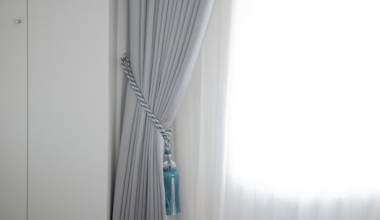
Heavy velvet curtains add a touch of luxury and excellent insulation to any room, but their weight demands a robust installation. A flimsy rod or improper mounting can lead to sagging, bending, or even dangerous falls. Follow these seven essential steps to install curtain rods that will securely hold your velvet drapes for years to come.
1. Choose the Right Rod and Brackets
Not all curtain rods are created equal. For heavy velvet curtains, opt for a rod made from thick steel or solid wrought iron with a minimum diameter of 1 inch (25 mm). Avoid aluminum or thin hollow rods, which can bend under the weight. Also select brackets made from the same sturdy metal—look for those rated for at least 10–15 pounds per bracket if your curtain weight is significant.
Consider using a double-rod system if you plan to layer a sheer curtain behind the velvet. The front rod must be especially strong. For extra width (over 60 inches), choose a rod that comes with a center support bracket. This prevents the rod from bowing in the middle over time. Many brands offer heavy-duty traverse rods with ball bearings if you want the curtains to open and close smoothly.
2. Measure and Mark the Placement
Proper positioning affects both aesthetics and functionality. For a standard look, mount the rod 4–6 inches above the window frame to give the illusion of taller ceilings. The rod should extend 3–6 inches beyond each side of the window so the curtains can be pulled fully open without blocking light. For heavy velvet, a wider return (the distance from the window edge to the wall) is recommended to allow the fabric to drape without bunching.
Use a level and a pencil to mark the bracket locations on the wall. Remember to account for finial size if your rod has decorative ends—they shouldn't hit the wall when the curtain is fully open. Double-check measurements: the distance between brackets must be slightly less than the full rod length to allow for finials and to ensure the brackets support the ends of the rod.
3. Install Support Brackets at Studs or Use Heavy-Duty Anchors
This step is critical for safety. Velvet curtains can weigh 10–15 pounds or more per panel. If you are mounting the brackets directly into drywall, you must use toggle bolts or molly bolts rated for at least 50 pounds each. Better yet, locate wall studs with a stud finder and screw the brackets into the studs. For wider windows (over 48 inches), install a center bracket into a stud as well.
If mounting above a window on a wooden frame, use long screws that penetrate into the frame structure. Never rely on adhesive hooks or plastic anchors for heavy velvet. Drill pilot holes first to prevent splitting. For concrete or brick walls, use masonry anchors and a hammer drill. Invest in high-quality hardware—it costs a little more but prevents wall damage and curtain accidents.
4. Use Heavy-Duty Mounting Hardware
The screws provided with many curtain rods are often too short or weak for heavy velvet. Replace them with #8 or #10 self-tapping screws of appropriate length (at least 1.5 inches for drywall anchors, 2 inches for studs). Ensure the bracket mounting plate has multiple screw holes—use all of them. If your brackets have a single screw, consider upgrading to brackets with two or three holes for greater load distribution.
For extra security, apply a small amount of thread-locking compound to the screws to prevent vibration loosening. If you are using a ceiling-mount track system (another option for very heavy velvet), use the same heavy-duty approach with toggle bolts into joists. Remember that the total weight of your curtains includes the fabric, lining, and any decorative weight added, so always overestimate the load.
5. Attach the Rod and Hang the Curtains
After mounting brackets, place the rod onto them. Most rods have a set screw or locking mechanism—tighten it with a screwdriver to prevent the rod from sliding. If your rod is telescoping, extend it to the correct width and tighten the connector firmly. Now slide the velvet curtains onto the rod. Heavy velvet often has a thick rod pocket or grommets; ensure the rod diameter fits comfortably without cramming.
If using rings, make sure they are metal (plastic rings may crack under the weight). For pinch-pleat or tab-top velvet curtains, distribute the rings evenly so the fabric doesn't sag in one spot. Once all panels are on, lift the rod and position it onto the brackets. Have a helper support the rod ends while you secure the brackets. After locking the rod in place, adjust the curtains to ensure they hang evenly.
6. Ensure Proper Height and Overlap
The curtain hem should ideally touch the floor (or puddle slightly) for a luxurious look. If you’ve mounted the rod higher than the window, measure from the rod to the floor and add 1–2 inches for a subtle puddle. For a clean edge, hem the curtains so they hover ¼ inch above the carpet or floor. Heavy velvet doesn’t drape well if it’s too short, so measure carefully before final installation.
Also check the overlap at the center if you have two panels. They should meet with a small gap of no more than an inch when closed. If your rod has an overlap bracket (common on traverse rods), adjust it so the panels don't separate. For stationary curtains that never close, you can skip this step but still ensure symmetry.
7. Test and Adjust for Long-Term Stability
Before calling the job complete, test the stability of the rod and brackets. Gently tug on the curtains to simulate wind or daily operation. The rod should not bow, and brackets should feel solid. If you notice any movement, add additional screws or a center support bracket. Also check that the curtains move freely when you open or close them—if they stick, the rod may be slightly bent or the brackets misaligned.
Perform a yearly inspection: re-tighten loose screws, check for wall cracks or anchor wear, and clean the rod with a dry cloth to prevent rust. With a proper heavy-duty installation, your velvet curtains will remain elegant and functional for many seasons. If you ever replace them with even heavier blackout or acoustic curtains, this same robust setup will handle the extra weight without issues.
Final Thoughts
Installing curtain rods for heavy velvet curtains is not difficult, but it requires careful planning and sturdy materials. By following these seven steps, you ensure safety, longevity, and a professional finish. For further guidance on selecting the right curtain type or caring for velvet, explore our other support articles.