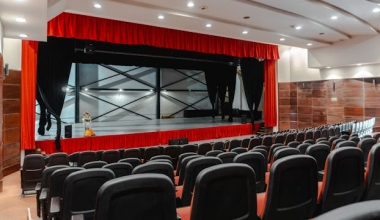
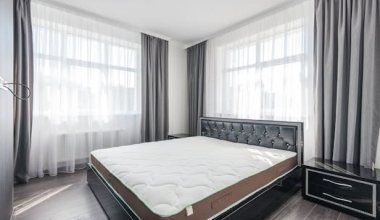
When designing a home theater, achieving pristine audio quality is paramount. While speakers and room layout get most of the attention, reflected sound, echo, and outside noise can ruin even the best systems. Acoustic curtains are the unsung heroes of home theater soundproofing—they absorb excess reverberation, block external noise, and improve speech clarity. This in-depth guide will walk you through the best acoustic curtains for home theater soundproofing, from fabric types to installation tips, so you can create an immersive cinematic experience.
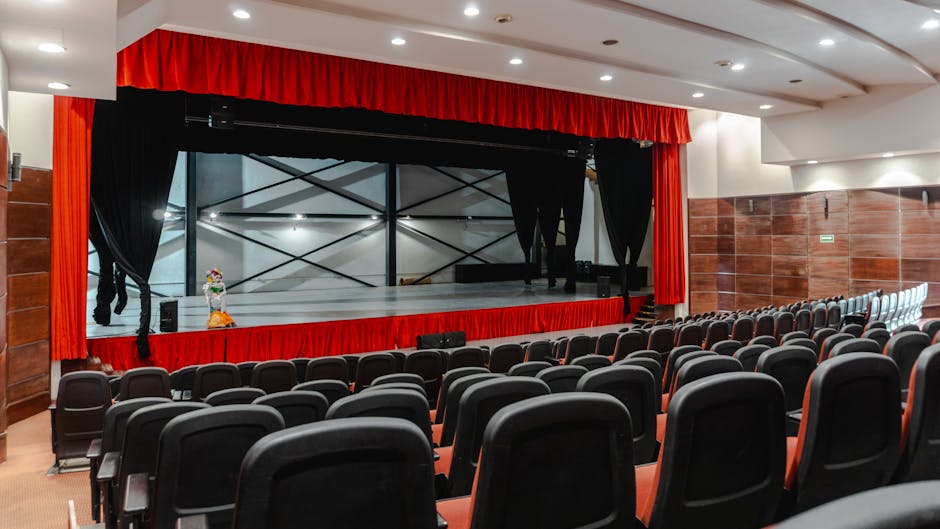
Why Acoustic Curtains Matter in Home Theater Soundproofing
Sound waves bounce off hard surfaces like drywall, windows, and hardwood floors, creating echoes and muddying the audio. Acoustic curtains are designed to absorb these waves, reducing reverberation time (RT60) and minimizing sound leakage. They serve two main purposes:
- Sound absorption: Thick, dense fabrics trap sound energy, preventing it from reflecting back into the room.
- Sound blocking: Multi-layer curtains with mass-loaded vinyl or dense fibers create a barrier that stops sound from entering or escaping.
For a home theater, the goal is to control internal acoustics and keep noise from disturbing other rooms. High-quality acoustic curtains can achieve a Noise Reduction Coefficient (NRC) of 0.50 or higher, meaning they absorb 50% or more of incident sound.
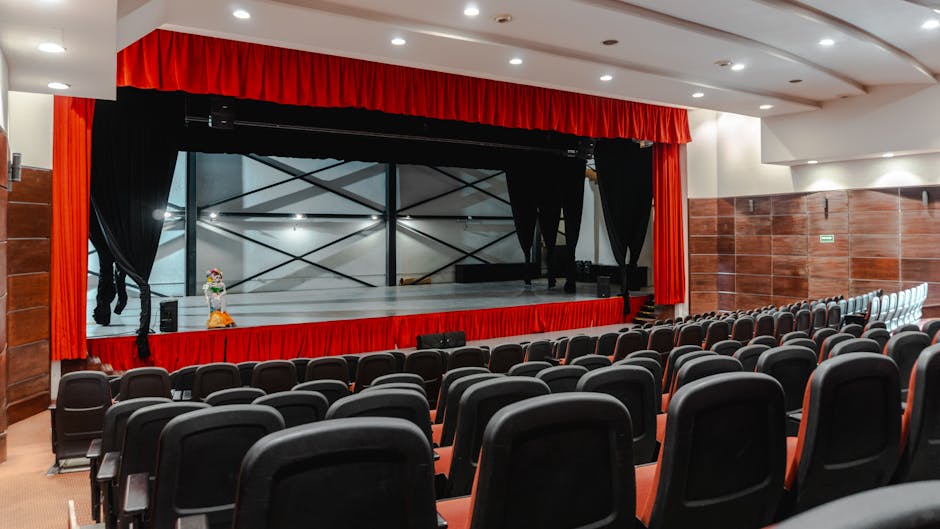
Key Factors to Consider When Choosing Acoustic Curtains
Fabric Weight and Density
Weight matters. Look for curtains with a minimum weight of 10–15 ounces per square yard. Heavier fabrics (18 oz/yd² or more) provide superior mass for blocking low-frequency sounds like subwoofer rumbles. Three-pass blackout lining is often used in combination with acoustic layers.
Sound Absorption Ratings (NRC)
The NRC measures a material's ability to absorb sound across different frequencies. For home theaters, an NRC of 0.5–0.7 is ideal. Check the manufacturer's specifications. Some curtains also have a Sound Transmission Class (STC) rating for sound blocking, but for interior acoustics, NRC is more relevant.
Fabric Material
- Velvet: Extremely dense pile; excellent for absorbing mid and high frequencies. Adds a luxurious theater feel.
- Polyester/Cotton Blends: Durable, washable, and often treated with flame retardants. Good for layered setups.
- Acoustic Felt: 100% polyester felt (e.g., from reputable brands like Acoustical Solutions) offers high NRC (up to 0.85) but is less decorative.
- Blackout Curtains: Primarily for light-blocking, but triple-weave blackout can contribute some acoustic benefit when paired with an inner curtain.
Layering Strategy
For optimal performance, layer a heavy velvet or acoustic curtain over a blackout curtain. This creates an air gap that further reduces sound transmission. The air gap acts as a decoupler, breaking the path of sound waves.
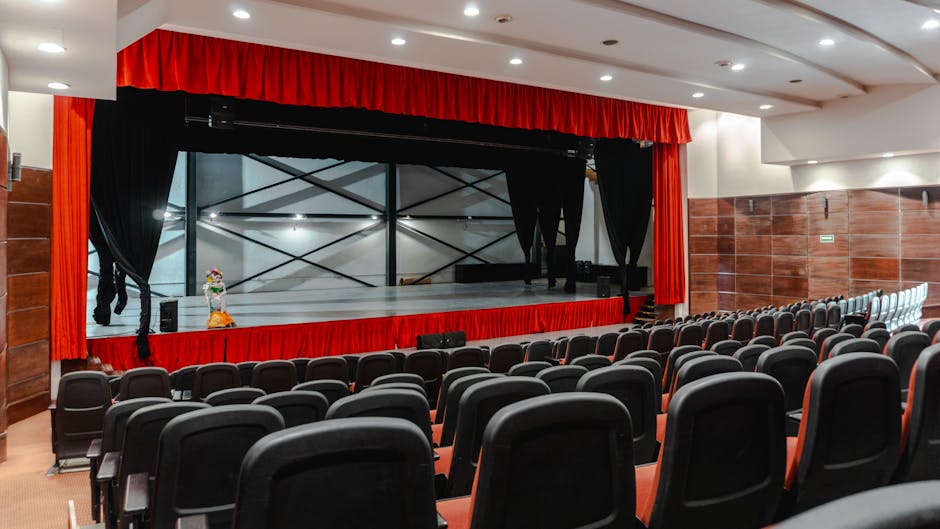
Best Acoustic Curtain Fabrics for Home Theaters
| Fabric Type | NRC Range | Weight (oz/yd²) | Best For | Care |
|---|---|---|---|---|
| Velvet (e.g., 40 oz cotton velvet) | 0.55–0.70 | 18–24 | Mid/high frequency absorption; aesthetic appeal | Dry clean only |
| Acoustic Felt (1/4" thick) | 0.75–0.85 | 12–15 | High absorption in small rooms | Spot clean or vacuum |
| Polyester Blackout (triple-weave) | 0.35–0.45 | 8–12 | Light blocking + moderate absorption | Machine wash cold, gentle |
| Mass-Loaded Vinyl (MLV) laminate | STC 25–30 | ~10 | Sound blocking; used in combo | Wipe clean |
For a dedicated home theater, a combination of velvet (for appearance and absorption) plus MLV-backed curtains (for blocking) provides the best all-around performance. However, if you are on a budget, thick polyester blackout curtains with an acoustic liner can still deliver notable improvements.
Installation Tips for Maximum Soundproofing
Proper Mounting
Install curtains as close to the wall or window as possible to minimize gaps. Use a ceiling-mounted track or heavy-duty rod. The fabric should brush the floor and be 2–3 times the width of the window to create generous pleats—pleats increase surface area for sound absorption.
Wall Coverage
For sound absorption on walls (not just windows), use acoustic curtains as room dividers or wall drapes. Cover at least 20–30% of the total wall area to notice a difference. For small rooms, floor-to-ceiling curtains on one entire wall can dramatically reduce slap echo.
Sealing Edges
Use magnetic seals or velcro strips along the top and sides to close air gaps. Even a 1/8" gap can allow sound leakage, especially low frequencies. Some acoustic curtains come with integrated seals.
Caring for Your Acoustic Curtains
- Dust regularly: Use a vacuum with a brush attachment to remove dust that can reduce absorption.
- Professional cleaning: Velvet and MLV-backed curtains should be dry cleaned. Polyester blends may be machine washable on gentle cycle—always check the label.
- Avoid moisture: Acoustic felt can warp if wet; spot clean only.
- Re-hang after cleaning: Ensure curtains are completely dry and re-hang promptly to prevent creases that affect performance.
Buying Guide: What to Look For
- Check NRC and STC ratings from the manufacturer. Avoid vague terms like "soundproof"—demand numbers.
- Fabric color and weave: Dark, tight-weave fabrics absorb more light and sound. Choose colors that match your theater decor.
- Fire safety: Look for NFPA 701 or California TB 117 certification. Safety first.
- Backing options: Some curtains have integrated acoustic foam or MLV. These are heavier but more effective.
- Return policy: Sound perception is subjective; ensure you can test before committing.
Industry Application Cases
Case 1: A home theater in a NYC apartment (concrete walls, large windows). The owner installed double-layer curtains: inner blackout velvet + outer MLV-backed polyester. They achieved an NRC of 0.6 and reduced neighbor complaints by 80%.
Case 2: A dedicated home cinema room with wood paneling. By covering one wall with acoustic felt curtains (0.85 NRC), the RT60 dropped from 1.2 seconds to 0.4 seconds, dramatically improving dialog clarity.
Case 3: A multi-purpose room used for movies and music. Using sheer curtains behind heavy velvet allowed for adjustable acoustics—sheers for diffusion, velvet for absorption.
Final Recommendations
For the best balance of performance and aesthetics in a home theater, choose velvet curtains with a minimum NRC of 0.60, or layer a blackout curtain with an acoustic felt drape. Always ensure proper installation with minimal air gaps. Remember that curtains are only one part of a complete acoustic treatment plan—combine them with bass traps and absorption panels for professional-level sound quality.