Introduction: The Link Between Light and Sleep Quality
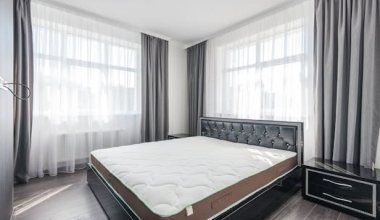
Sleep is essential for physical and mental health, yet millions struggle to get a full night's rest. One of the most disruptive environmental factors is unwanted light. Blackout curtains offer a powerful, non-invasive solution to create a dark, calm sleep environment. But not all blackout curtains are created equal. Choosing the right fabric, lining, and installation method can dramatically improve your sleep quality. This guide explains everything you need to know—from fabric types (blackout, sheer, velvet, acoustic) to care tips and industry applications—so you can make an informed purchase.
Why Light Interference Ruins Sleep
Exposure to light during sleep suppresses melatonin, the hormone that regulates sleep-wake cycles. Even dim streetlights or early morning sun can disrupt deep sleep stages. A study in the Journal of Clinical Endocrinology & Metabolism showed that even low levels of light at night can increase heart rate and reduce REM sleep. Blackout curtains block 99% of external light, creating the complete darkness necessary for optimal rest.
What Are Blackout Curtains?
Blackout curtains are window treatments designed to block external light sources. Unlike regular curtains, they feature multiple layers of tightly woven, light-absorbing fabric, often with a special coating or interlining. The three main components are the face fabric (aesthetic), the interlining (light-blocking layer), and the backing (often white or silver for heat reflection). They also provide thermal insulation and noise reduction, especially when paired with acoustic fabrics.
Key Factors When Choosing Blackout Curtains for Sleep
1. Fabric Type and Weight
The fabric determines light-blocking efficiency, texture, and maintenance. Here's a quick comparison:
| Fabric | Light Blocking | Insulation | Noise Reduction | Best For |
|---|---|---|---|---|
| Velvet | Excellent (thick pile) | Excellent | Good | Bedrooms, luxury hotels |
| Blackout-Lined Sheer | Good (with lining) | Moderate | Low | Living rooms, light sleepers |
| Acoustic Blackout | Excellent | Excellent | Excellent | Noisy environments, home theaters |
| Polyester Blends | Very Good | Good | Moderate | Budget-friendly, rental spaces |
Pro tip: For a bedroom, choose triple-woven blackout fabric (like velvet or acoustic) for maximum light blockage and thermal comfort.
2. Lining and Opacity Levels
Blackout linings are usually made from foam, acrylic, or dense polyester. Look for a lining with a thousand or more thread count per inch for true blackout (no pinholes). Check the opacity rating: 100% blackout blocks all light; 90-99% blocks most but may have faint glow at seams.
3. Colour and Pattern
Darker colours absorb more light and hide stains, but lighter colours with a blackout lining can be equally effective. If you have a small bedroom, consider light grey or beige blackout curtains to avoid a cave-like feeling while still enjoying darkness. The lining colour (white or silver) helps reflect heat in summer and retain heat in winter.
4. Size and Installation
Curtains should be at least 1.5 to 2 times the window width to prevent light leakage from the sides. Extend the rod 6-10 inches beyond the window frame. For grommet or pinch-pleat styles, ensure the fabric reaches the floor. Light leaks are common at the top and sides—use a valance or wrap-around curtain rod to seal them.
5. Mounting Options
Inside mount (within the frame) gives a clean look but may leave gaps. Outside mount (above and beyond) offers better light blockage. For severe light pollution, use blackout curtain tracks with side channels.
Comparing Popular Fabrics for Blackout Curtains
Velvet Blackout Curtains
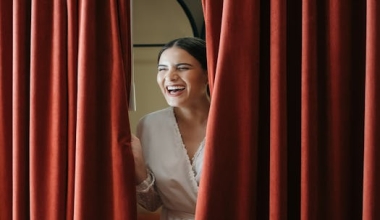
Velvet is lush, heavy, and naturally dense. It blocks light without a separate lining, making it ideal for bedrooms and hotel suites. Velvet also absorbs sound and provides superior insulation. However, it may require dry cleaning. Best for: Luxury sleep environments, cold climates, or rooms with high noise levels.
Sheer Blackout Curtains
Sheer fabrics are lightweight and translucent, but they can be transformed into blackout curtains by layering a blackout liner behind them. This combination allows soft light during the day (with sheers closed) and total darkness at night (when the sheers are drawn). Best for: Rooms where you want both privacy and daytime natural light.
Acoustic Blackout Curtains
Acoustic curtains use dense, multi-layer fabrics (often with mass-loaded vinyl) to reduce noise transmission by up to 10 decibels. Combined with blackout properties, they create a quiet, dark cocoon. Best for: Urban apartments, home offices, or nurseries near busy roads.
Care Tips to Maintain Blackout Performance
- Vacuum regularly: Use a soft brush attachment to remove dust from velvet or heavy fabrics every two weeks.
- Spot clean only: Most blackout linings are not machine washable. For stains, use a mild detergent and a damp cloth.
- Avoid ironing: High heat can melt foam linings. Use a steamer on low setting if needed.
- Wash sheer curtains separately: If your blackout layer is removable, machine wash sheers on gentle cycle and air dry.
- Check for fading: Direct sun can degrade linings over time. Consider UV-resistant fabrics if your windows face south or west.
Buying Guide: What to Look For
Before purchasing, measure your windows and decide on the mounting style. Check customer reviews for “light leakage” or “pinholes.” Request fabric swatches to assess thickness and colour in your room’s lighting. For a nursery or children’s room, choose flame-retardant materials. If you’re on a budget, triple-woven polyester curtains offer the best value for sleep quality.
Industry Application Cases
Hotels & Hospitality
Hotels invest in blackout curtains with a high sun-blocking rating (e.g., 100% blackout) to ensure guests sleep well regardless of time zone. Many use velvet or acoustic fabrics to enhance the luxury feel and reduce noise from corridors. Some chains also use motorised curtains for convenience.
Healthcare Facilities
Hospitals and care homes use blackout curtains to help patients maintain circadian rhythms, especially in intensive care units. They often opt for easy-to-clean polyester blends with antimicrobial treatments. Acoustic properties also help reduce noise-related stress.
Home Theaters & Media Rooms
Acoustic blackout curtains are essential for home theaters to eliminate both light reflection and echo. Padded velvet curtains are popular for their luxury look and sound absorption.
Additional Tips for Better Sleep with Curtains
- Layer curtains: Hang a blackout panel behind a decorative sheer for both daytime beauty and nighttime darkness.
- Use curtain tiebacks: During waking hours, tiebacks allow light in; at night, release the fabric to fully cover the window.
- Combine with blackout blinds: For extreme darkness, add blackout roller blinds under the curtains—this creates an airtight seal.
- Consider smart curtains: Automate blackout curtains on a timer to align with your sleep schedule for consistent circadian rhythm support.
Conclusion
Choosing blackout curtains for better sleep is not just about picking any dark fabric. You need to consider fabric weight, lining quality, colour, size, mounting, and even noise reduction. Velvet, sheer, and acoustic fabrics each offer unique benefits for different settings. By following this guide, you can transform your bedroom into a dark, quiet sanctuary that promotes deeper, more restorative sleep. For best results, always measure twice and invest in quality materials that suit your lifestyle.