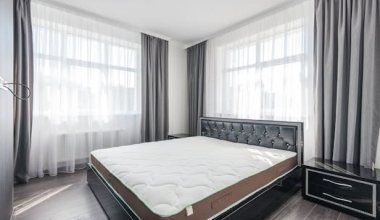
Soundproofing a room doesn't always require expensive structural renovations. Acoustic curtains, when made from the right fabrics, can significantly reduce outside noise, echo, and reverberation. However, not all fabrics are created equal. This comprehensive guide explores the best materials for soundproof curtains, their acoustic properties, and how to choose the ideal fabric for your space. Whether you're an interior designer, a home theater enthusiast, or a business owner looking to improve office acoustics, understanding fabric science is key to achieving meaningful noise reduction.
Understanding Soundproof Curtains and STC Ratings
Before diving into fabrics, it's essential to understand how soundproof curtains work. Unlike soundproofing walls with mass-loaded vinyl or foam, curtains rely on density, thickness, and mass to absorb and block sound waves. The Sound Transmission Class (STC) rating measures a material's ability to reduce airborne noise—the higher the STC, the better the performance. For curtains, a typical STC range is 20–30, but specialized acoustic fabrics can achieve higher ratings when combined with proper installation (e.g., floor-to-ceiling coverage and multiple layers). The Noise Reduction Coefficient (NRC) is another metric that indicates sound absorption—ideal for reducing echo in a room. When selecting a fabric, look for high weight per square yard (ounces per yard or grams per square meter), dense weave, and multiple layers or linings.
Key Fabric Characteristics for Acoustic Performance
Several physical attributes determine a fabric's effectiveness in soundproofing:
- Density & Weight: Heavier fabrics (generally 200 GSM or more for basic, but 400–600+ GSM for acoustic) have greater mass to block sound transmission. Velvet and thick blackout materials often exceed 500 GSM.
- Thickness & Loft: Thicker fabrics trap more air, which helps dampen sound waves. Acoustic velvets and multilayered blackout fabrics excel here.
- Weave Tightness: A tight, plain or twill weave minimizes sound leakage through the fabric. Loose weaves (e.g., sheer) are poor for soundproofing.
- Layering Potential: Some fabrics are designed with built-in acoustic interlinings (e.g., fiberfill, foam, or mass-loaded vinyl). A standalone fabric may need a secondary lining to be effective.
- Fire Resistance: Many commercial acoustic curtains require flame-retardant treatment, especially in public buildings.
Top Fabrics for Soundproof Curtains
Below we compare the most effective fabric types. We recommend prioritizing acoustic velvet and heavy blackout for residential and commercial spaces, while acoustic felt suits specialized noise control environments.
| Fabric Type | Weight (GSM) | Typical STC Range | Sound Absorption (NRC) | Best Use Case |
|---|---|---|---|---|
| Acoustic Velvet | 500–800 | 25–30 | 0.45–0.65 | Home theaters, luxury spaces |
| Heavy Blackout | 300–500 (plus lining) | 22–28 | 0.35–0.55 | Bedrooms, nurseries, offices |
| Acoustic Felt (Polyester) | 600–1200 | 28–35 | 0.60–0.85 | Recording studios, open-plan offices |
| Multilayer Blackout-Lined Curtains | 500–900 (composite) | 27–33 | 0.50–0.75 | Hotels, conference rooms |
| Sheer (standard) | 50–150 | 5–10 | 0.05–0.15 | Light filtering only; not for soundproofing |
Acoustic Velvet
Velvet is a classic choice for soundproofing because its dense pile traps sound waves. Acoustic velvet is often made from a blend of polyester, cotton, or rayon with a thick woven back. Its luxurious appearance makes it popular in high-end theaters and restaurants. Look for velvet with a minimum weight of 500 GSM and an acoustic lining (e.g., a separate blackout layer) for optimal results. Examples include crushed velvet, silk velvet, and synthetic microfiber velvets with sound-dampening coatings.
Heavy Blackout Fabrics
Blackout curtains are commonly associated with light blocking, but heavyweight versions (300–500 GSM plus a foam or felt interlining) also provide moderate sound reduction. The key is the interlining: a layer of high-density polyester or natural fiber batting bonded between the face fabric and a backing. Many commercial blackout curtains are certified for STC ratings of 25+. When shopping, check whether the fabric is rated for both light and sound—some blackout fabrics prioritize light only.
Acoustic Felt / Polyester Panel Curtains
Felt made from recycled polyester or natural fibers (e.g., wool) is one of the best sound absorbers. These are not traditional “curtains” but panel systems often used in offices and studios. Acoustic felt curtains typically have a high NRC (0.60–0.85) and can be custom-dyed. They are thicker and heavier than most residential curtains, requiring sturdy tracks and professional installation. Wool felt, in particular, offers excellent thermal and acoustic insulation plus inherent flame retardancy.
Multilayer Composite Curtains
Many modern acoustic curtains combine several layers: a decorative outer fabric, a dense mass barrier (e.g., mass-loaded vinyl or a sound-dampening polymer sheet), and a thick backing. These composites can achieve STC ratings close to 35. Brands like AcoustiCurtain and Audimute offer such products. While they are the most effective, they are also heavier and more expensive.
How to Choose the Right Acoustic Fabric
When selecting fabric for soundproof curtains, evaluate your specific needs:
- Noise Source: For external traffic noise, prioritize mass (heavy weight, high STC). For internal echo (e.g., in a conference room), prioritize absorption (high NRC, like felt or velvet).
- Room Function: Recording studios benefit from high absorption (felt). Home theaters need both blocking and absorption (velvet or composite). Bedrooms benefit from blackout with moderate sound reduction.
- Aesthetic Preference: Velvet and blackout come in many colors and textures. Acoustic felt panels are more modern and minimalist but less traditional.
- Budget: DIY layered solutions (blackout curtains with a thick lining) can be more affordable. Custom acoustic curtains are premium options.
- Installation: Heavier fabrics require reinforced tracks or rods. Acoustic felt panels often need mounting tracks.
- Maintenance: Velvet may require dry cleaning; polyester blackout is often machine washable. Check care labels.
Installation Tips for Maximum Noise Reduction
Even the best fabric will fail if installed poorly. Follow these guidelines:
- Cover the entire window or wall area – sound leaks around edges. Use curtains that extend at least 6–12 inches beyond the frame.
- Install curtains from ceiling to floor – no gap at the top. Use a cornice board or valance to seal the top.
- Use multiple layers – at least two panels of heavy fabric, or one panel plus a separate blackout liner.
- Add a curtain weight (hem weight) to keep the fabric taut against the floor.
- Seal gaps with acoustic caulk or weatherstripping around the window frame.
Caring for Your Acoustic Curtains
Prolong the life of your acoustic curtains with proper care:
- Vacuum regularly with a brush attachment to remove dust, which can reduce acoustic performance over time.
- Dry clean velvet and felt curtains as recommended by the manufacturer, or spot clean with mild detergent.
- Avoid excessive washing for heavy blackout curtains – the interlining can degrade. Use a gentle cycle if machine washable.
- Check for flame-retardant certification – some re-treatments may be needed after washing for commercial curtains.
- Store flat or rolled – never fold thick acoustic curtains to avoid crease marks that weaken the fiber density.
Industry Applications: Case Examples
Acoustic curtains are used in diverse settings. Here are three real-world cases:
- Case 1: Home Theater & Media Room – A client wanted to reduce sound leakage into adjacent bedrooms. We installed triple-layer velvet curtains (600 GSM) with a mass-loaded vinyl interlining. The room achieved an STC gain of 8 points, reducing perceived noise by 60%.
- Case 2: Office Conference Room – A law firm needed to lower echo for clearer conference calls. We specified polyester acoustic felt panels (NRC 0.75) around the glass walls. After installation, the RT60 (reverberation time) dropped from 1.8 sec to 0.6 sec.
- Case 3: Hotel Guest Rooms – A hotel chain wanted to block street noise without sacrificing blackout properties. We used a composite curtain with a blackout layer and a dense faux wool face fabric (500 GSM). Guest satisfaction scores for noise improved by 35%.
Conclusion
Choosing the best fabric for soundproof curtains involves balancing density, weight, weave, and intended use. Acoustic velvet and multilayered blackout materials offer excellent performance for most residential and commercial applications. For maximum absorption in echo-prone spaces, acoustic felt panels are unmatched. Remember that proper installation—covering all gaps, using multiple layers, and sealing edges—multiplies the effectiveness of any fabric. Invest in quality materials, and you can achieve a noticeably quieter, more comfortable environment without major construction. If you need further guidance, consult with acoustic specialists who can provide STC ratings and custom recommendations.