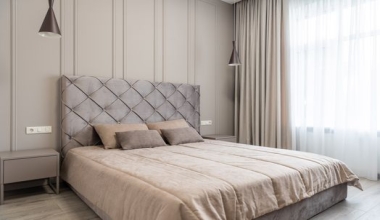
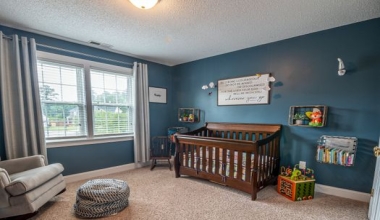
When it comes to reducing noise in your home or office, the choice of curtain fabric can make a significant difference. Two popular options—velvet and acoustic fabric—offer distinct benefits. Velvet is known for its luxurious appearance and moderate sound-dampening qualities, while acoustic fabric is engineered specifically for superior noise absorption. This comprehensive guide compares velvet and acoustic fabrics for noise reduction, helping you decide which is best for your space.

Understanding Noise Reduction in Fabrics
Noise reduction in fabrics depends on two key factors: mass and texture. Heavier fabrics with dense weaves block more sound, while textured surfaces scatter and absorb sound waves. The Noise Reduction Coefficient (NRC) measures how much sound a material absorbs (0 to 1, where 1 is perfect absorption). The Sound Transmission Class (STC) rates how well a material blocks sound. Curtains typically have lower NRCs than specialized panels, but they can still contribute to a quieter environment.

Velvet Fabric for Noise Reduction
Velvet is a woven fabric with a dense pile of evenly cut fibers, giving it a soft, plush surface. Its mass and texture help absorb mid- to high-frequency sounds, making it effective for reducing echo and improving speech clarity. Velvet curtains are often lined to add weight, boosting their sound-blocking ability.
- How it works: The pile traps sound waves, converting them into small amounts of heat energy.
- Pros: Luxurious appearance, wide color range, soft touch, good for moderate noise reduction.
- Cons: Expensive, requires professional cleaning, can attract dust, less effective for low-frequency sounds.
- Best for: Living rooms, bedrooms, home theaters where aesthetics matter.
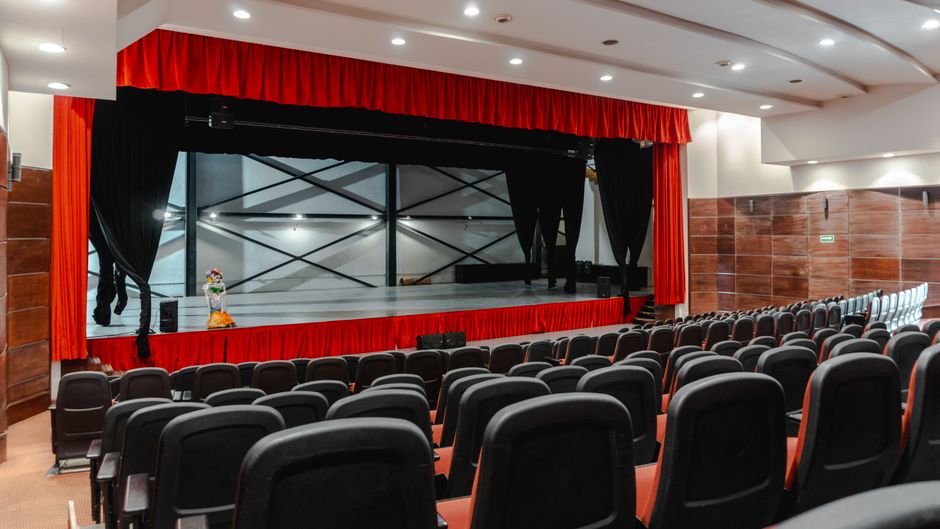
Acoustic Fabric for Noise Reduction
Acoustic fabrics are engineered for maximum sound absorption. They are often made from polyester or fiberglass fibers, with an open weave that allows sound to penetrate and dissipate within the material. Acoustic curtains are typically paired with a thick backing or used as part of an acoustic panel system.
- How it works: Sound waves enter the porous fabric and are converted to heat through friction, reducing reverberation.
- Pros: High NRC (up to 0.8 or more), effective across a wide frequency range, fire-rated options, durable.
- Cons: Less visually appealing (often utilitarian), limited color and texture choices, may require bulky hardware.
- Best for: Recording studios, open offices, gyms, industrial spaces where performance is paramount.
Velvet vs Acoustic: Detailed Comparison
| Feature | Velvet | Acoustic Fabric |
|---|---|---|
| Sound Absorption (NRC) | 0.4–0.6 (moderate) | 0.7–0.9 (high) |
| Sound Blocking (STC) | Low (but improved with lining) | Moderate (best when layered) |
| Aesthetics | Excellent – rich, elegant, varied colors | Fair – usually solid colors, professional look |
| Cost per yard | $20–$80 | $15–$50 |
| Maintenance | Dry clean only, prone to dust | Machine washable (some), easy to vacuum |
| Durability | Moderate (may crush over time) | High – resistant to wear and fading |
| Installation | Standard curtain rod | May require specialized tracks or panels |
| Fire Safety | Often not treated; check labels | Most are fire-rated compliant |
Which Fabric Is Better for Your Needs?
Choose velvet if you prioritize aesthetics and want to reduce moderate noise levels, such as in a living room or bedroom. Velvet adds warmth and elegance while softening ambient sounds. For high-performance noise reduction—like in a recording studio or busy office—acoustic fabric is the clear winner. Its superior NRC and ability to handle low frequencies make it essential for sound-sensitive environments.
Practical Tips for Choosing
- Layer curtains: Combine velvet with a blackout lining to increase mass and block more sound.
- Use acoustic panels: If you love the look of velvet but need more noise control, place acoustic panels behind velvet curtains.
- Consider the room: For irregular noise (e.g., traffic), velvet helps; for constant hum (e.g., HVAC), acoustic fabric is better.
- Check NRC ratings: Look for products with published test data to ensure performance.
Practical Tips for Enhancing Noise Reduction with Curtains
- Go floor-to-ceiling: Curtains that reach the floor and extend beyond the window prevent sound leaks.
- Use multiple layers: Combine sheer, velvet, and blackout liners for a multi-layered approach.
- Seal gaps: Use draft stoppers or magnetic seals at the bottom and sides of curtains.
- Choose heavy fabrics: Weight per square yard matters—heavier fabrics block more sound.
- Install correctly: Use a continuous track or a curtain rod with returns to minimize gaps.
Conclusion
Both velvet and acoustic fabrics offer noise reduction benefits, but they serve different purposes. Velvet excels in style and moderate sound dampening, making it ideal for residential spaces. Acoustic fabric delivers professional-grade sound absorption, perfect for commercial or performance environments. By understanding your specific needs—whether it's muffling chatter or eliminating echo—you can select the fabric that creates your ideal acoustic environment.