Why Energy Efficiency Matters in Hotels
Hotels operate around the clock, consuming significant energy for lighting, heating, and cooling. Utility bills often represent one of the largest operational expenses, sometimes up to 30% of total costs. Installing energy-efficient curtains is a cost-effective upgrade that reduces heat loss in winter and heat gain in summer, directly lowering HVAC loads and improving guest comfort. Beyond financial savings, eco-friendly practices enhance brand reputation as travelers increasingly seek sustainable accommodations.
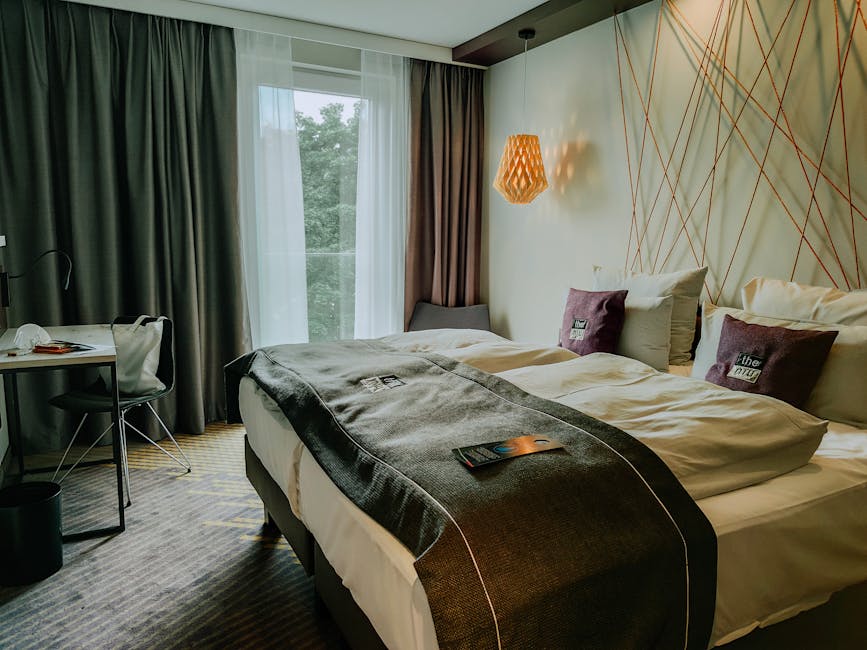
How Curtains Contribute to Energy Savings
Curtains act as a thermal barrier by trapping air between the fabric and the window. This insulation effect reduces heat transfer through glass, which is responsible for up to 30% of a building's thermal loss. Energy-efficient curtains also block drafts, reflect radiant heat, and minimize the need for artificial lighting by controlling daylight. By integrating curtains with automated scheduling, hotels can further optimize energy use when rooms are unoccupied.
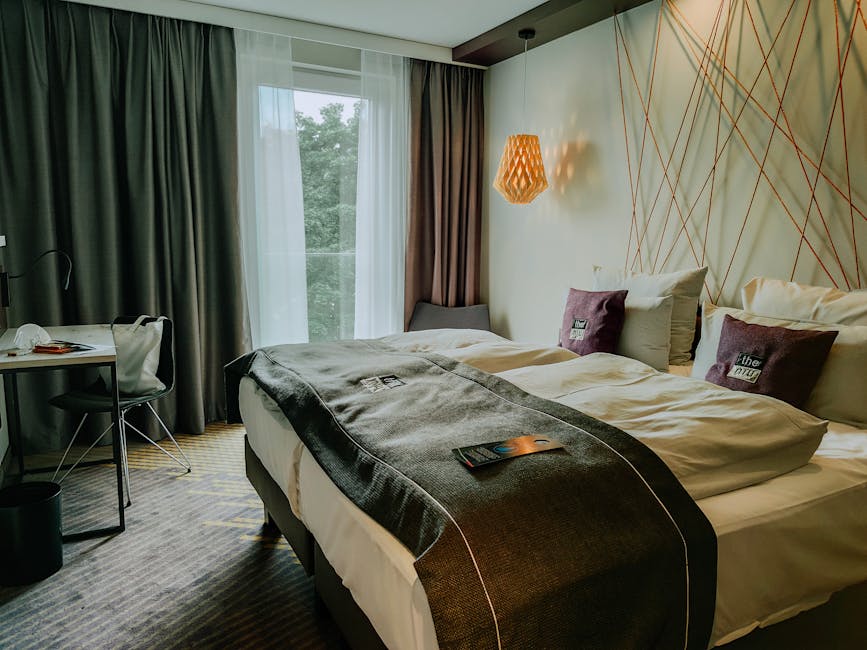
Key Features of Energy Efficient Curtains for Hotels
Fabric Types
- Blackout curtains: Dense, multi-layer fabrics that block 99% of light. They provide excellent insulation against both heat and cold, making them ideal for guest rooms.
- Velvet curtains: Thick, plush fabrics with natural thermal properties. The pile traps air, adding an extra insulation layer while offering a luxurious aesthetic for lobbies and suites.
- Acoustic curtains: Designed to absorb sound, these heavy fabrics also reduce thermal bridging. Their mass slows heat transfer, benefiting both quietness and energy efficiency.
- Sheer curtains: Lightweight but effective when layered. They diffuse sunlight and reduce solar heat gain during peak hours while still allowing natural light.
Lining and Backing
The best energy-efficient curtains often include a separate thermal lining—such as foam-backed or aluminized interlining—that boosts insulating performance. A lining also protects the main fabric from UV damage and extends curtain life.
| Fabric Type | Insulation Rating (R-value approx.) | Best Use |
|---|---|---|
| Blackout | R-5 to R-10 | Guest bedrooms, meeting rooms |
| Velvet | R-4 to R-8 | Lobbies, luxury suites |
| Acoustic | R-6 to R-12 | Banquet halls, conference rooms |
| Sheer (layered) | R-2 to R-4 | Daytime filtering, delicate ambiance |
Blackout Curtains: The Ultimate Light and Heat Control
Blackout curtains are the industry standard for hotel rooms because they eliminate light pollution and improve sleep quality. Their dense weave and multiple layers (often three-pass) block solar radiation, reducing indoor temperature by up to 5°C in summer. In winter, they retain interior heat, cutting heating costs by 10-15%. For maximum benefit, choose blackout curtains with a separate thermal lining and ensure they extend beyond the window frame to seal gaps.
Velvet Curtains: Luxury Insulation
Velvet's short, dense pile creates tiny air pockets that trap heat. Though heavier than blackout fabrics, velvet offers superior aesthetic appeal for high-traffic areas. Modern velvet blends (polyester-cotton) are flame-retardant and wrinkle-resistant, meeting hotel safety standards. Use velvet in lobbies, executive suites, and dining areas to combine elegance with energy efficiency. Pair with a blackout lining if light control is also required.
Acoustic Curtains: Sound and Energy Dual Purpose
Acoustic curtains are engineered with mass-loaded vinyl or dense felt layers that dampen sound. Because sound and heat transfer both depend on material density, these curtains naturally provide excellent thermal insulation. Hotels near airports or busy streets benefit doubly: quieter rooms and lower energy bills. Acoustic curtains are especially effective on large windows and glass walls. However, they require strong tracks and professional installation due to their weight.
Sheer Curtains as Layering Strategy
Alone, sheer curtains offer little insulation, but when layered with blackout or velvet drapes, they create a versatile system. During the day, sheers can be closed to diffuse sunlight and reduce solar heat gain without blocking natural light. At night, the heavier drape provides full insulation. This dual-layer approach allows hotels to maintain an inviting ambiance while minimizing HVAC use. Consider using motorized tracks for easy automation of both layers.
Practical Tips for Selecting Hotel Curtains
- Fabric weight: Heavier fabrics generally insulate better. Check the GSM (grams per square meter)—aim for 300+ for good thermal performance.
- Color: Lighter colors reflect sunlight and reduce heat gain in warmer climates; darker colors absorb heat, beneficial in cold regions. For versatile use, choose medium tones.
- Lining: Always opt for a separate thermal lining if the fabric itself isn't heavily insulated. Interlinings with foam or aluminum coating boost R-value significantly.
- Track system: Use ceiling-mounted tracks with overlapping panels to prevent air leakage. Motorized tracks enable timed closing during peak solar hours.
- Automation: Integrate with building management systems (BMS) to automatically close curtains when rooms are unoccupied, saving up to 20% on HVAC energy.
Installation Best Practices
Install curtains floor-to-ceiling and extend well beyond the window frame on each side—ideally 30 cm on each side and 15 cm above. Use a pelmet or valance to seal the top gap, which is a major source of heat loss. Ensure curtains reach the floor (or just above) to block drafts. For sliding doors, use tracks that allow curtains to stack completely off the glass. Professional installation ensures proper tension and alignment, maximizing insulation.
Maintenance for Longevity
Energy efficiency declines when curtains become dusty or dirty—dust clogs fabric pores and reduces insulation. Vacuum curtains monthly with a brush attachment to remove surface dust. For deeper cleaning, follow fabric care labels; many hotel-grade curtains are dry clean only. Avoid over-washing, as it can damage thermal coatings. Inspect linings annually for tears or separation, and replace as needed to maintain R-value.
Case Study: Energy Savings in a Boutique Hotel
A 40-room boutique hotel in Chicago faced high winter heating costs due to single-pane windows. After installing triple-pass blackout curtains with thermal lining in all guest rooms, the property reported a 12% reduction in monthly gas bills. Guests also praised the darker sleeping environment, leading to higher satisfaction scores. The investment paid for itself in 18 months. This example illustrates how energy-efficient curtains deliver both operational savings and improved guest experience.
Conclusion
Energy-efficient curtains are a smart, sustainable investment for hotels. By choosing the right fabric—blackout, velvet, acoustic, or layered sheers—and ensuring proper installation and automation, properties can significantly reduce utility bills while enhancing comfort. Review your current window treatments today and consider upgrading to curtains that work as hard as your HVAC system. For more guidance, explore our buying guides or contact our experts for a custom consultation.