Why Sheer Curtains Need Special Care
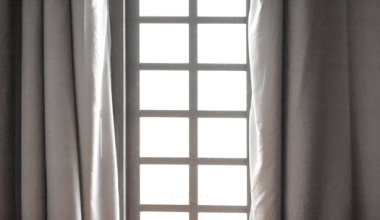
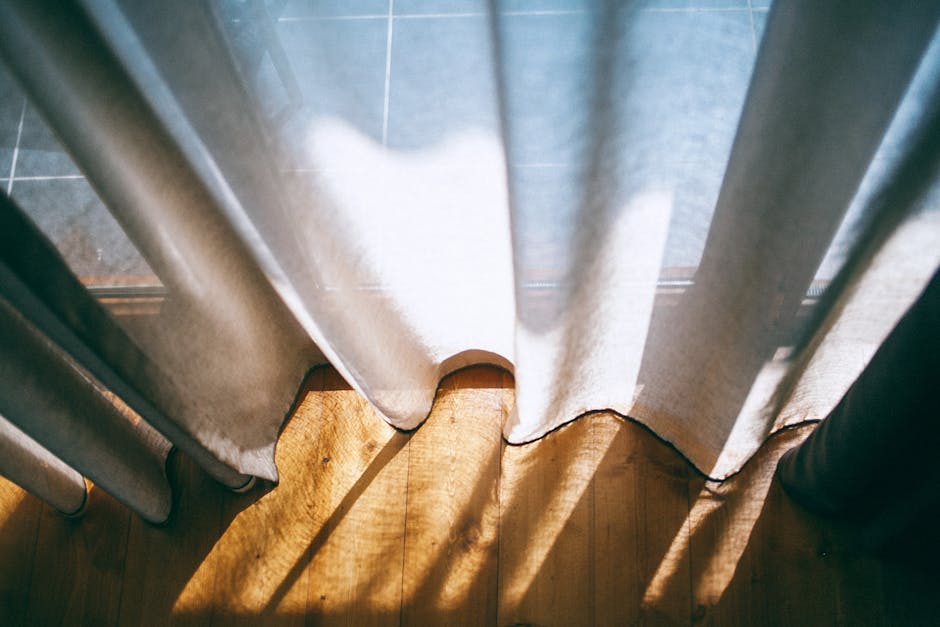
Sheer curtains are beloved for their ethereal lightness, soft diffused light, and airy elegance. However, their delicate fabrics—like voile, lace, or organdy—are prone to tearing, snagging, or losing shape if not washed correctly. Unlike heavier drapes, sheers cannot withstand aggressive agitation, high heat, or harsh detergents. Understanding the fiber composition (typically polyester, cotton, silk, or blends) is the first step to preserving their beauty.
Pre-Wash Preparation
Read the Care Label
Always check the manufacturer's tag for specific instructions. Machine washable sheers are common, but some silk or vintage sheers may require dry cleaning. If the label is missing or unclear, default to the gentle methods below.
Dust and Shake
Before wetting, take curtains outside and shake them gently to remove loose dust. For heavier dust, use a vacuum with a soft brush attachment or a lint roller. This prevents dirt from turning into mud during washing.
Check for Hardware and Hooks
Remove all hooks, rings, or weights. If the curtain has a rod pocket, ensure no metal parts are left inside—they can rust or snag the fabric. Separate any embellishments like beading that might detach.
Stain Spot-Testing
Treat stains only after checking colorfastness. Dab a tiny amount of mild detergent on an inconspicuous area. If color bleeds, consult a professional dry cleaner.
Hand Washing Method
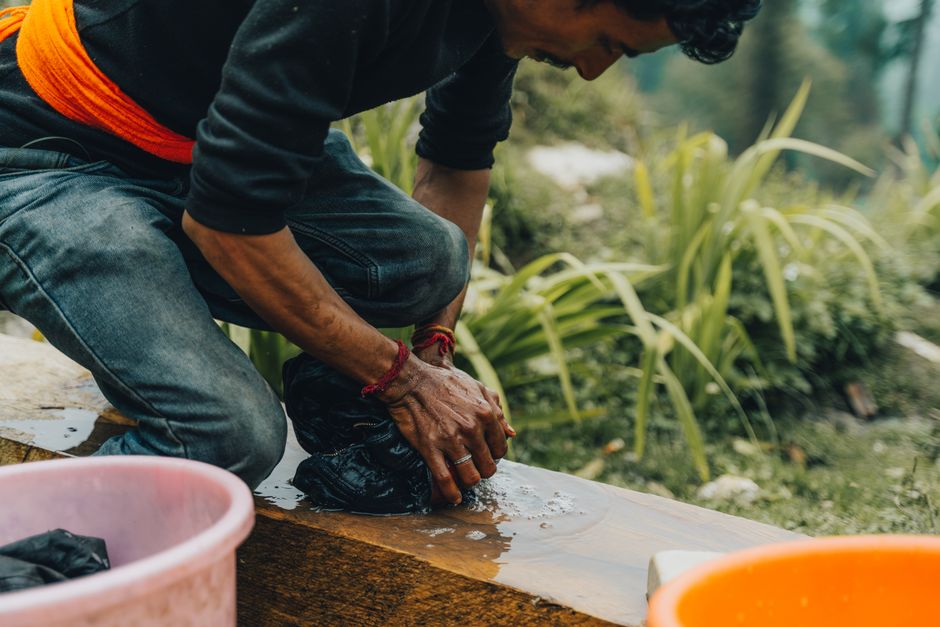
For the gentlest clean, especially for silk or antique sheers, hand washing is recommended.
What You'll Need
- Large basin or clean sink
- Lukewarm water (max 30°C / 86°F)
- Mild detergent (baby shampoo or wool wash)
- White vinegar (optional, for brightening)
Steps
- Fill basin with lukewarm water and add a small amount of detergent. Swirl to dissolve.
- Submerge curtains fully. Let them soak for 10-15 minutes. Do not scrub or wring.
- Gently agitate by hand, focusing on soiled areas with a soft touch.
- Drain soapy water. Refill with clean lukewarm water for rinsing. Repeat until no suds remain.
- Add a splash of white vinegar to the final rinse to remove detergent residue and restore shine.
Machine Washing Method
Many modern synthetic sheer curtains (polyester, nylon) can be machine washed if done with extreme care.
Use a Mesh Laundry Bag
Place each curtain in a separate mesh bag to protect it from snagging on machine parts. If the bag is too small, fold the curtain loosely—never cram it.
Choose the Right Cycle
- Select the delicate or hand-wash cycle on your machine.
- Use cold water (30°C or below). Hot water may shrink or warp sheers.
- Set spin speed to low. High spin can cause creases or stress fibers.
- Add only half the usual amount of mild liquid detergent. Powder may not dissolve fully and leave residue.
Avoid Bleach and Fabric Softener
Chlorine bleach weakens fibers and yellowing. Oxygen-based bleach (e.g., OxiClean) is safe for whites only—test first. Fabric softener coats fibers, reducing their light-diffusing ability and attracting dust.
Drying Techniques
Never wring or twist sheer curtains—this creates permanent wrinkles and can tear the fabric.
Air Drying (Best)
- Hang curtains back on the rod while still damp. The weight of the wet fabric helps release wrinkles.
- If hanging outdoors, choose a shaded area to prevent sun-fading. Indoors, avoid direct heat sources like radiators.
Tumble Drying (Use Caution)
- Only for polyester sheers. Set dryer to no-heat or air fluff.
- Remove as soon as slightly damp to avoid over-drying and static.
- Add a few dry towels to reduce friction and absorb moisture.
Dealing with Stains
| Stain Type | Solution |
|---|---|
| Food or drink | Blot immediately with cold water. Use a drop of mild dish soap on the spot, gently dab, rinse. |
| Oil or grease | Apply cornstarch or baking soda to absorb. Let sit for 30 mins, then brush off. Hand wash as usual. |
| Yellowing | Soak in lukewarm water with a capful of hydrogen peroxide (test first). Rinse thoroughly. |
| Mold or mildew | Wash with a solution of equal parts white vinegar and water. Sun-dry to kill spores. |
Ironing and Finishing
If wrinkles persist after drying, use a low-heat iron (silk setting) with a pressing cloth to avoid direct contact. Alternatively, steam the curtains while hanging—a handheld steamer is ideal. Some polyesters can be steamed to remove creases instantly.
Common Mistakes to Avoid
- Overloading the washer or dryer—sheers need room to move without tangling.
- Using hot water—causes shrinkage and fading.
- Skipping the mesh bag—results in pulls and holes.
- Drying in direct sunlight—weakens fibers and causes uneven color.
- Storing damp curtains—leads to mildew. Ensure they are completely dry before storing in a cool, dry place.
Final Tips for Long-Lasting Sheers
Wash sheer curtains every 3-6 months depending on dust and location. Rotate sets if you have multiples to reduce wear. For heavily soiled or valuable curtains, professional dry cleaning is always the safest bet. With proper care, your sheers will remain translucent and beautiful for years.