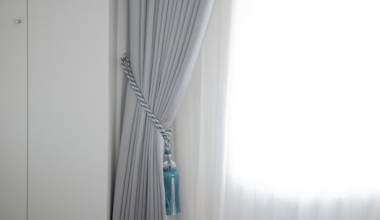
Why Blackout Curtain Linings Peel and How to Fix Them
Blackout curtains are prized for their ability to block light and improve sleep quality, but over time the lining can start to peel away from the fabric. This common issue often results from heat damage, poor adhesive, or age. In this guide, you'll learn practical, step‑by‑step methods to repair peeling blackout lining—whether you prefer glue, heat‑activated tape, or sewing. We also cover when replacement is the smarter choice.
Understanding the Cause of Peeling
Peeling usually happens because the blackout coating—often a foam, acrylic, or rubberized layer—loses its bond with the base fabric. Common culprits include:
- Heat exposure from sunlight or radiators, which degrades the adhesive over time.
- Washing and drying at high temperatures, which can melt or weaken the coating.
- Low‑quality manufacturing with thin adhesive layers.
- Age—even high‑end blackout curtains may peel after 3–5 years.
Identifying the cause helps you decide whether to repair or replace. If the peeling is localized (e.g., near a seam or edge) and the fabric is still in good shape, repair is cost‑effective. If the coating is crumbling or the fabric is brittle, replacement may be necessary.
Tools and Materials You’ll Need
Before starting, gather these supplies. Most are available at home improvement stores or online.
| Tool / Material | Use |
|---|---|
| Fabric glue (e.g., Aleene’s Tacky Glue, or a spray adhesive like 3M Super 77) | For re‑adhering loose lining |
| Iron‑on hem tape or fusible web | Heat‑activated bonding, great for polyester curtains |
| Parchment paper or a thin cloth (to protect iron) | Prevents adhesive from sticking to iron |
| Needle and thread (or sewing machine) | For a permanent sewn fix |
| Scissors or rotary cutter | Trimming loose edges |
| Ruler or measuring tape | Aligning fabric |
| Clamps or heavy books | Applying pressure while glue dries |
Repair Method 1: Using Fabric Glue
This is the quickest and most accessible method for small peeling areas.
Step 1: Clean and Prepare
Lay the curtain flat on a clean surface. Gently peel back the loose lining, being careful not to tear it further. Remove any dust or old adhesive residue with a dry cloth or a lint roller. If the lining is dirty, lightly dampen a cloth with water (no soap) and blot—then let it dry completely.
Step 2: Apply Glue
Using a fabric glue or spray adhesive, apply a thin, even layer to both the lining and the curtain fabric. For spray glue, hold the can 6–8 inches away. Avoid over‑saturating, as it can bleed through the fabric.
Step 3: Press and Hold
Press the lining back into place. Use clamps or place a heavy book on top (with a piece of parchment paper between the book and fabric to prevent sticking). Leave it for at least 2–4 hours, or follow the glue’s recommended drying time. For best results, let it cure overnight.
Pros and Cons
- ✔ Quick, requires low skill
- ✔ Works on most fabric types
- ✖ May not hold on heavily textured or high‑heat areas (e.g., near a radiator)
- ✖ Spray adhesive can be messy
Repair Method 2: Iron‑On Tape / Fusible Web
This method creates a strong, heat‑activated bond ideal for synthetic curtains.
Step 1: Cut the Tape
Measure the peeling area and cut a piece of iron‑on hem tape or fusible web slightly smaller than the loose section. Place the tape between the lining and the curtain fabric, sticky side against the lining.
Step 2: Iron with Care
Set your iron to the synthetic/low setting (no steam). Cover the area with a thin cloth or parchment paper to protect the fabric. Press the iron firmly on the covered area for 10–15 seconds, then lift (do not slide). Repeat until the entire peeling section is bonded.
Step 3: Cool and Check
Let the fabric cool completely before moving it. Test the bond by gently tugging. If any area is still loose, repeat with a fresh piece of tape.
When to Use This Method
- Best for straight, flat peeling sections (e.g., edges or seams).
- Works well on polyester, cotton blends, and most blackout linings that are not foam‑backed.
- Not recommended for foam lining that has disintegrated—heat may worsen the crumbling.
Repair Method 3: Sewing the Lining Back
For a permanent, wash‑proof fix, sewing is the most durable option.
Hand‑Stitching
Thread a needle with strong thread (polyester or nylon). Starting at one end of the peeled area, stitch close to the edge using a slip stitch or ladder stitch. This invisible stitch grabs the lining and the fabric. Continue every ½ inch until the entire area is secured. Tie off tightly.
Machine Stitching
If the peeling runs along a hem or seam, you can run a straight stitch on your sewing machine. Fold the curtain so the peeled area lies flat, then stitch ¼ inch from the edge. Use a walking foot for thick layers. Test on a scrap piece first.
Advantages
- ✔ Lasts for years, even after washing
- ✔ Works on any lining type
- ✖ Requires basic sewing skills
- ✖ Takes longer than glue or tape
When to Replace Instead of Repair
Sometimes peeling is a symptom of a deeper problem. Replace your blackout curtains if:
- The lining is flaking or crumbling (rubberized coatings often degrade).
- The fabric itself is frayed or torn.
- You’ve repaired the same area multiple times.
- The curtain is over 5 years old and the light‑blocking performance has dropped.
Consider upgrading to a triple‑weave blackout fabric that doesn’t rely on a separate coating. Those never peel.
Preventive Tips to Extend Curtain Life
- Avoid washing blackout curtains too often—spot clean when possible.
- If you must wash, use cold water and gentle cycle, then line dry or tumble dry on no heat.
- Keep curtains away from direct heat sources like radiators or intense sunlight.
- Use a curtain liner (a separate protective layer) if your curtains face harsh sun.
- For foam‑backed curtains, never iron directly; use steam only or press from the front.
Frequently Asked Questions
Can I use super glue or hot glue?
No. Super glue becomes brittle and can damage fabric. Hot glue creates a lumpy, uneven surface and may melt thin lining. Stick to fabric‑specific adhesives.
Will repair affect the blackout performance?
If done correctly, repairs should restore the lining without creating gaps. However, if the lining is degraded beyond repair, the light‑blocking effect will still be reduced.
How long does a glue repair last?
With proper application, 6–12 months. Sewing can last indefinitely.
Conclusion
Peeling blackout curtain lining is frustrating but fixable. Choose glue for a quick patch, iron‑on tape for a clean bond on synthetics, or sewing for a permanent solution. Always assess the overall condition—if the lining is disintegrating, invest in new, high‑quality blackout curtains. With these steps, you can restore your room’s darkness and enjoy restful sleep again.