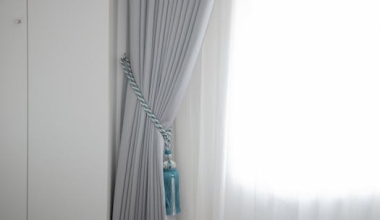
Why Acoustic Curtains Are a Game-Changer for Apartment Living
Living in an apartment often means dealing with noise from neighbors, traffic, or street activity. Acoustic curtains—made from dense, sound-absorbing fabrics like velvet or specialized acoustic materials—can significantly reduce unwanted noise while adding thermal insulation and style. Installing them correctly is key to maximizing their performance. This guide walks you through every step, from measuring your windows to mounting the curtains for optimal sound reduction.
Measuring Your Windows for Acoustic Curtains
Accurate measurements are critical. Unlike standard curtains, acoustic curtains need to overlap the window frame and reach the floor to block sound waves effectively.
Width
Measure the width of your window frame, then add 20–30 cm (8–12 inches) on each side. This ensures the fabric extends beyond the window, preventing sound from leaking around the edges. For maximum coverage, consider using a rod that spans the entire wall.
Length
Measure from the top of the curtain rod or track to the floor. Add 2–5 cm (1–2 inches) so the curtains just skim the floor. Floor-length curtains create a seal at the bottom, reducing sound transmission.
Stacking Space
Acoustic curtains are thick. Ensure your rod or track extends beyond the window so that when opened, the fabric doesn’t block the glass. A good rule: the rod should be 1.5 times the window width.
Choosing the Right Acoustic Curtain Fabric
| Fabric Type | Sound Absorption | Light Blocking | Best For |
|---|---|---|---|
| Velvet | High | Excellent | Bedrooms, living rooms |
| Blackout Coated Polyester | Medium-High | Complete | Media rooms, bedrooms |
| Sheer (with acoustic lining) | Low-Medium | Partial | Combining light and sound control |
| Specialized Acoustic Fabric | Very High | Varies | Home theaters, recording spaces |
For apartment use, velvet or blackout-coated polyester offers the best balance of sound dampening, privacy, and affordability. If you need to retain natural light, choose a triple-weave sheer with an acoustic backing.
Installation Methods: Rod vs. Track
Curtain Rods
Standard rods work well for lightweight acoustic curtains. Use heavy-duty brackets and a thick metal rod (min. 28 mm diameter) to support the weight. Install brackets into studs or use toggle bolts for drywall.
Ceiling-Mounted Tracks
For maximum sound reduction, mount a track on the ceiling slightly set back from the window. This allows the curtain to form a continuous seal from floor to ceiling. Ideal for soundproofing a whole wall.
Which to Choose?
If you rent your apartment, rods are easier to install and remove. Tracks offer better sound isolation but require more permanent installation.
Step-by-Step Installation Guide
Step 1: Gather Tools and Materials
- Acoustic curtains with grommets or pleats
- Heavy-duty curtain rod or track
- Stud finder, drill, level, screwdriver
- Appropriate anchors for wall type (toggle bolts for drywall, molly bolts for concrete)
- Measuring tape, pencil
Step 2: Mark Bracket Positions
Hold the rod up to the wall (or ceiling) and mark where the brackets go. Ensure the rod extends at least 20 cm beyond the window on each side. Use a level to keep the marks horizontal.
Step 3: Install Brackets
Drill pilot holes at the marks, insert wall anchors if needed (drywall requires toggle bolts for the weight). Screw brackets firmly. For heavy acoustic curtains, attach brackets directly into wooden studs if possible.
Step 4: Mount the Rod or Track
Place the rod onto the brackets and secure with screws. For ceiling tracks, slide the track into the ceiling-mounted brackets.
Step 5: Hang the Curtains
Slide the curtain panels onto the rod or attach carriers for the track. For grommet curtains, pass the rod through. For pleated, use the included hooks. Ensure the fabric hangs evenly and touches the floor.
Step 6: Adjust and Seal
Spread the curtains to cover the window entirely. If there are gaps at the top or bottom, add a valance or weighted hem tape. For extra soundproofing, use magnetic or Velcro strips along the edges to attach the curtain to the wall.
Tips for Maximum Sound Absorption
- Layer curtains: Hang a blackout velvet layer behind a decorative sheer layer for dual sound control.
- Add a pelmet (cornice box) above the curtain to block sound from leaking over the top.
- Seal the window perimeter with weatherstripping before installation—acoustic curtains work best when the window itself is airtight.
- Use multiple panels: For wide windows, use two or even three panels overlapping slightly to eliminate gaps.
- Consider weight: Heavier fabrics (300–600 gsm) absorb more sound. If the rod can support it, choose curtains with a density of at least 400 gsm.
Maintenance and Care for Acoustic Curtains
To keep sound absorption and look fresh:
- Vacuum weekly with a brush attachment to remove dust that can harden the fibers.
- Spot clean only—most acoustic fabrics are not machine washable. Use a mild detergent and damp cloth.
- Steam iron on low heat to remove wrinkles, but avoid direct contact with the backing.
- Dry clean once a year if the care label permits. Frequent washing reduces the sound-dampening treatment.
Common Mistakes to Avoid
- Underestimating fabric weight: flimsy curtains do not absorb sound. Buy acoustic-rated curtains with a minimum STC (Sound Transmission Class) of 25.
- Poor sealing: if the curtain doesn’t touch the floor or walls, sound leaks around the edges.
- Using a flimsy rod that sags under heavy velvet. Always use heavy-duty hardware.
- Installing the rod too close to the window: leave space for the curtain to stack and seal.
Conclusion
Installing acoustic curtains in your apartment is a practical, non-invasive way to reduce noise pollution. By choosing the right fabric, measuring accurately, and mounting the curtain so it seals tightly, you can create a quieter, more comfortable living space. Whether you rent or own, these steps allow you to enjoy the benefits of sound absorption without major renovations. For best results, pair your new curtains with other soundproofing measures like rugs and door seals.