1. Go Bold with Jewel Tones
Jewel tones like emerald green, sapphire blue, and amethyst purple add instant drama and opulence to any living room. Velvet's natural sheen amplifies these rich hues, creating a focal point that commands attention. Pair emerald velvet curtains with neutral walls and gold or brass hardware for a regal feel.
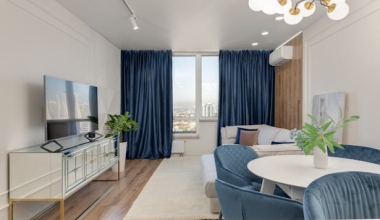
For a more modern twist, choose sapphire blue velvet panels against a white or grey backdrop. The contrast will make the curtains pop while keeping the space feeling fresh. Add metallic accents in your coffee table or lamp bases to tie the look together.
Remember that dark jewel tones work best in rooms with ample natural light or strategic artificial lighting. If your living room is on the dim side, consider adding a sheer layer behind the velvet to allow light filtration when the curtains are closed.
2. Create a Monochromatic Sanctuary
Monochromatic schemes using various shades of the same color can make a room feel serene and expansive. For a lush, cohesive look, choose velvet curtains in a shade slightly darker or lighter than your walls. For example, dusty rose curtains on blush walls create a subtle layered effect.
Use texture to prevent monotony. A velvet curtain's plush nap contrasts beautifully with smooth wall paint, woven rugs, and matte furniture. Add throw pillows in a similar but not identical tone, such as a wine-colored velvet pillow with rose curtains.
Monochromatic doesn't mean boring. Introduce pattern through your rug or artwork, but keep the window treatment solid to maintain the calming effect. This approach is especially effective in small or narrow living rooms where busy patterns might overwhelm.
3. Layer Velvet with Sheer Curtains
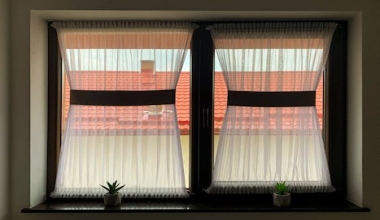
One of the most elegant combinations is pairing velvet curtains with sheer panels. The sheer layer softens the light and provides daytime privacy, while the velvet adds weight and insulation at night. Choose white or off-white sheers for a classic look, or try a subtle grey or champagne for a more tailored feel.
Install a double rod system to hang both layers independently. Let the sheers hang straight to the floor, and puddle the velvet slightly for a luxurious touch. This layering also gives you flexibility: pull the sheers closed during the day for a soft glow, and draw the velvet at dusk for full blackout and warmth.
This technique works wonderfully in north-facing rooms that lack natural warmth. The velvet adds coziness, while the sheers prevent the space from feeling too heavy.
4. Embrace Floor-Length Drama with Puddling
For a truly stunning effect, let your velvet curtains puddle on the floor. An extra 6 to 12 inches of fabric pooling gracefully creates a sense of extravagance and high-end design. This technique works best with floor-to-ceiling windows or French doors.
Because velvet is a heavier fabric, it drapes beautifully and holds its shape when puddled. To achieve this, order curtains longer than your floor-to-rod measurement. Use curtain rings with clips to easily adjust the fall. The extra fabric also helps block drafts and light gaps at the bottom.
Keep the rest of the room relatively streamlined to let the curtains steal the show. A simple sofa, minimal coffee table, and a few statement pieces will complement the drama without competing.
5. Mix Velvet with Other Textures
Velvet loves company—as long as it's the right kind. Pair your velvet curtains with linen, wool, or chenille upholstery to create a rich tactile experience. Avoid pairing velvet with other high-shine fabrics like satin or silk, as they can look too matchy-matchy.
For example, combine navy blue velvet curtains with a cream linen sofa and a chunky knit throw. The contrast between the smooth velvet and the nubby linen adds visual interest. You can also introduce a leather armchair or a wooden side table for a modern, eclectic feel.
Texture mixing also applies to window treatments themselves. Consider adding a velvet trim or border to a linen curtain, or use velvet tiebacks on a simpler fabric. This subtle blending keeps the room feeling curated and intentional.
6. Use Velvet Curtains as a Room Divider
In an open-plan living room, velvet curtains can serve as a stylish room divider. Install a ceiling-mounted track and hang floor-length velvet panels to separate the living area from the dining or home office space. When drawn, they create a cozy enclave; when open, they maintain the open flow.
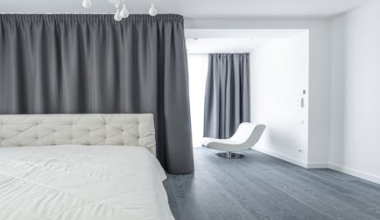
Choose a color that complements both zones. For instance, charcoal grey velvet works with almost any palette. The thickness of velvet also provides sound absorption, making the living area quieter—ideal if the other zone has a TV or music speakers.
You can even use two different colors on each side of the track for a bold statement, or keep it uniform for a seamless look. This idea is particularly useful in loft apartments or large family rooms.
7. Opt for Velvet Blackout Curtains for Media Rooms
If your living room doubles as a home theater, velvet blackout curtains are a game changer. Velvet's dense weave naturally blocks more light than cotton or polyester, and when lined with a blackout coating, it achieves near-complete darkness. This enhances TV and projector contrast.
Choose a dark color like charcoal, navy, or deep burgundy to absorb any stray light. Pair with floor-to-ceiling mounts covering the entire window frame to prevent light leakage around the edges. The added thermal insulation also helps keep the room cooler in summer and warmer in winter.
Don't sacrifice style for function. Velvet blackout curtains come in a wide range of colors and styles. You can even find them with a matte finish if you prefer less sheen. Install them on a traverse rod for easy opening and closing.
8. Add Curtain Tiebacks for Shape
Velvet curtains can feel heavy if left fully closed all the time. Using tiebacks introduces elegant shaping and allows light to enter while still framing the window. Choose tiebacks in complementary materials: crystal or glass for glam, leather for a masculine touch, or matching velvet for a seamless look.
Position tiebacks at different heights to change the silhouette. Higher tiebacks create a more dramatic, swooping effect, while lower ones produce a softer, more romantic drape. For floor-length curtains, a height around one-third from the floor is a classic choice.
Tiebacks also help reduce wear on the bottom hem by keeping the fabric slightly lifted. They're an easy DIY upgrade—try vintage brooches or silk ropes for a personalized touch.
9. Choose Velvet Curtains with Contrasting Linings
A hidden detail that makes a big impact: choose velvet curtains with a contrasting lining. When the curtains are open, the lining might be visible from the side or if they're pulled back. A bright lining like yellow or coral against a neutral velvet adds a pop of surprise.
From a practical standpoint, lining protects the velvet from sun damage and dust. A blackout lining improves light blocking. But the aesthetic bonus is a custom, high-end look that suggests careful planning.
If you sew or order custom curtains, this is easy to specify. For ready-made, you can sometimes find curtains with attached contrasting linings. Alternatively, use a double-sided velvet curtain rail where both sides are finished, effectively giving you two colors in one panel.
10. Go Minimal with Neutral Velvet
Velvet isn't just for maximalists. Neutral shades like cream, beige, taupe, and soft grey bring warmth and texture to a minimalist living room without overwhelming it. The velvet nap adds depth to an otherwise flat palette.
Pair neutral velvet curtains with natural materials like wood, jute, and stone. A cream velvet curtain against a white wall will read as sophisticated rather than stark because of its soft sheen and weight. Add a chunky knit throw and a woven rug to complete the hygge vibe.
Neutral velvet also ages gracefully. Dust and pet hair are less noticeable than on dark colors, and you can clean them more easily. For a minimalist, timeless look, neutral velvet is a smart investment.