Why Combine Blackout and Sheer Curtains?
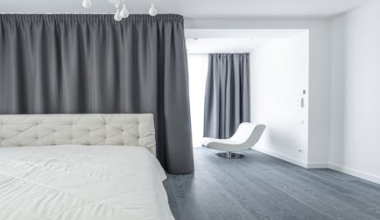
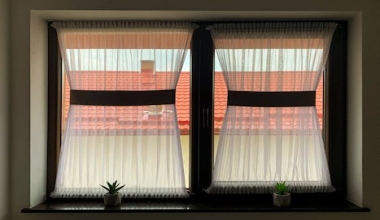
Layering blackout and sheer curtains in the bedroom is a design strategy that merges functionality with aesthetics. Blackout curtains block up to 99% of light, ensuring total darkness for uninterrupted sleep, while sheer curtains filter harsh sunlight during the day, offering privacy without sacrificing natural light. Together, they create a versatile window treatment that adapts to your needs—whether you want a cozy, dark cocoon at night or an airy, soft-lit space during the day. Beyond light control, this combination enhances energy efficiency: blackout layers insulate against heat loss in winter and heat gain in summer, while sheers reduce glare. It’s a win for both comfort and style.
How to Layer Curtains Properly
Proper layering is key to achieving a polished look. Here’s a step-by-step method for bedroom window styling:
- Install a double curtain rod – Use a rod with two tracks or a two-rod system: one closer to the window for sheers, one farther for blackouts.
- Mount the sheer panel first – Hang the sheer curtains on the inner rod (closest to the glass) so they lie flat against the window.
- Add the blackout panel second – Place the blackout curtains on the outer rod, overlapping the sheers when drawn.
- Use separate motorized controls – For high-tech convenience, consider automated tracks that allow independent operation of each layer.
- Choose appropriate lengths – Both layers should ideally touch the floor (1/2 inch above) for a tailored finish. Avoid pooling unless you prefer a dramatic look.
Hardware Considerations
Select rods that can support the weight of blackout curtains (often heavier). Adjustable brackets ensure rods stay level. Ceiling-mount rods are ideal for bay windows or to give the illusion of taller windows.
Best Fabrics for Layering
Fabric choice influences light filtration, durability, and aesthetics. Below is a comparative table:
| Fabric Type | Blackout Layer | Sheer Layer |
|---|---|---|
| Polyester Blackout | Dense, thermally lined, blocks 95-99% light | N/A |
| Cotton Sheer | N/A | Lightweight, breathable, subtle shimmer |
| Velvet Blackout | Luxurious, sound-dampening, thick pile | N/A |
| Linen Sheer | N/A | Textured, natural look, diffuses light softly |
| Acoustic Blackout | Triple-weave, noise-reducing, good for city bedrooms | N/A |
For the blackout layer, consider triple-weave polyester or velvet for maximum darkness and insulation. Sheer options like cotton voile or linen offer breathability and a romantic touch. Mixing matte blackout with glossy sheers creates visual contrast.
Color and Style Combinations
Color pairing can transform the bedroom mood. Here are proven combinations:
- White sheers + navy blackout – Classic, crisp contrast that suits modern and coastal themes.
- Ivory sheers + charcoal grey blackout – Sophisticated, neutral palette easy to accessorize.
- Blush pink sheers + dusty rose blackout – Warm, feminine, creates a soft cocoon effect.
- Printed sheers (botanical) + solid blackout – Adds personality without overwhelming the room.
- Monochromatic layers – Same color in different opacities for a minimalist, elegant look.
Pattern Play
If using patterns, keep one layer solid and the other patterned. For example, a subtle stripe sheer behind a solid velvet blackout adds depth. Avoid competing patterns.
Practical Tips for Installation
To maximize the benefits of your layered curtains:
- Measure carefully – For blackout effectiveness, the curtains should extend at least 3-4 inches beyond the window frame on each side and touch the floor. Use a valance or cornice to hide the hardware if desired.
- Consider grommet vs. pleated headers – Grommets slide easily but can let light through the top. Pinch pleats offer a tailored look and better light sealing when paired with a covered rod.
- Add a blackout liner – If you already have sheers, attach a blackout liner to a separate rod. Alternatively, buy ready-made layered curtains with attached liners.
- Use tiebacks – Tiebacks let you pull back the blackout layer during the day to showcase the sheers, adding a decorative element.
Care and Maintenance
Both layers require different care:
- Blackout curtains – Vacuum with a brush attachment monthly. Spot clean with mild detergent and water; avoid machine washing unless the label states. Dry clean for velvet or acoustic fabrics.
- Sheer curtains – Machine wash on delicate cycle in cold water, hang dry to prevent shrinkage. Iron on low if needed. To prevent yellowing, wash every 3-4 months.
- General tips – Rotate curtains every few months to ensure even fading. For motorized systems, dust track rails regularly and lubricate if necessary.
Common Mistakes to Avoid
- Using the same rod – Both layers on one rod cause bunching and reduce light-blocking ability. Always use separate rods.
- Choosing too-short curtains – Blackout panels that end above the sill allow light leaks. Standard drop should be floor-length or puddle.
- Neglecting top light gaps – Install the rod close to the ceiling or use a cornice to prevent light creeping over the top.
- Overlooking fabric weight – Heavy blackout requires strong brackets. Underestimating weight leads to sagging rods.
- Mismatching opacity levels – Sheers that are too opaque defeat the purpose of layering. Opt for 90-95% sheer fabric for best light diffusion.
Final Thoughts
Combining blackout and sheer curtains is a smart, stylish solution for any bedroom. By understanding layering techniques, fabric choices, and installation nuances, you can create a personalized oasis that balances darkness, light, and elegance. Experiment with colors and textures until you find the perfect harmony for your space. Whether you’re a light-sensitive sleeper or a design enthusiast, this duo delivers both function and flair.